

Meaning per category – L
In this category you will encounter all kinds of information signs that tell you something about the properties and course of the road and which situations you may encounter.
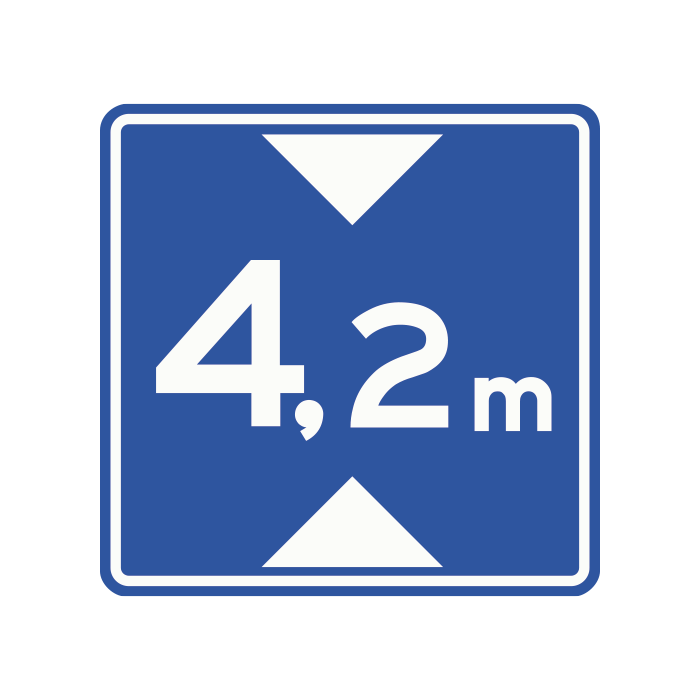
L-1
Underpass height
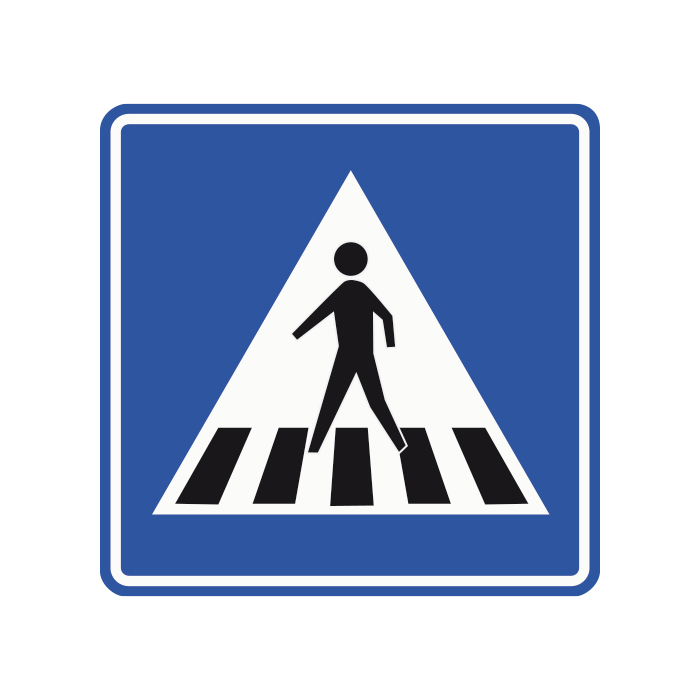
L-2
Pedestrian crossing

L-3
Bus or tram stop

L-4
Pre-sorting lanes

L-5
End of lane

L-6
Lane fork

L-7
Number of through lanes

L-8
Dead end road
(cul-de-sac)
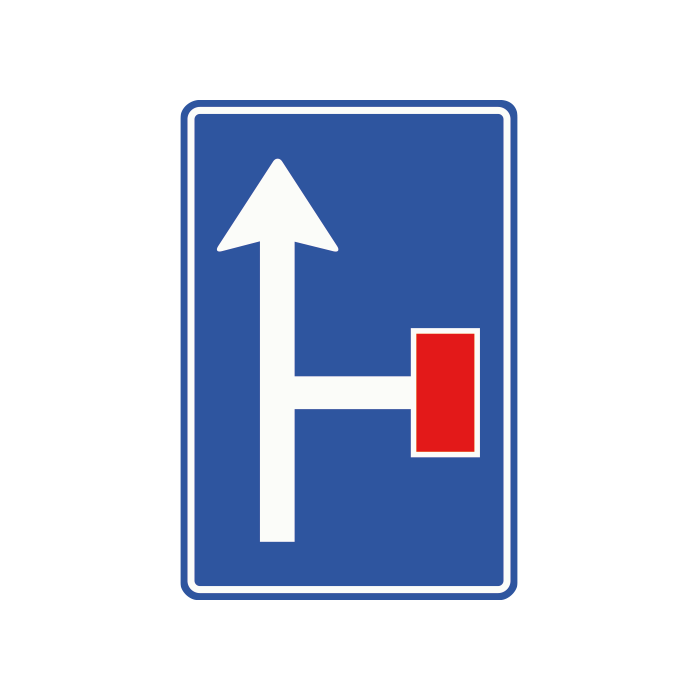
L-9
Advance warning of a dead end road to the right
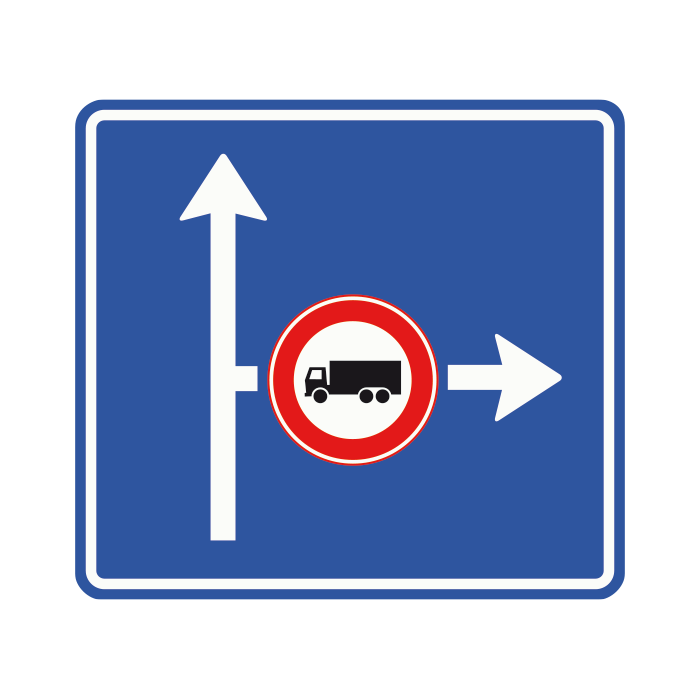
L-10
Pre-indication of traffic measures for the indicated direction
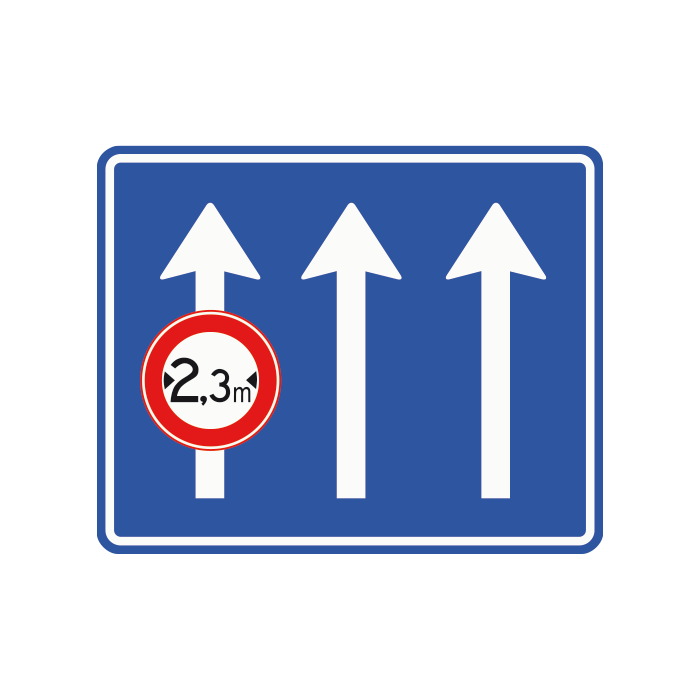
L-11
Information on sign
applies only to the lane(s) indicated
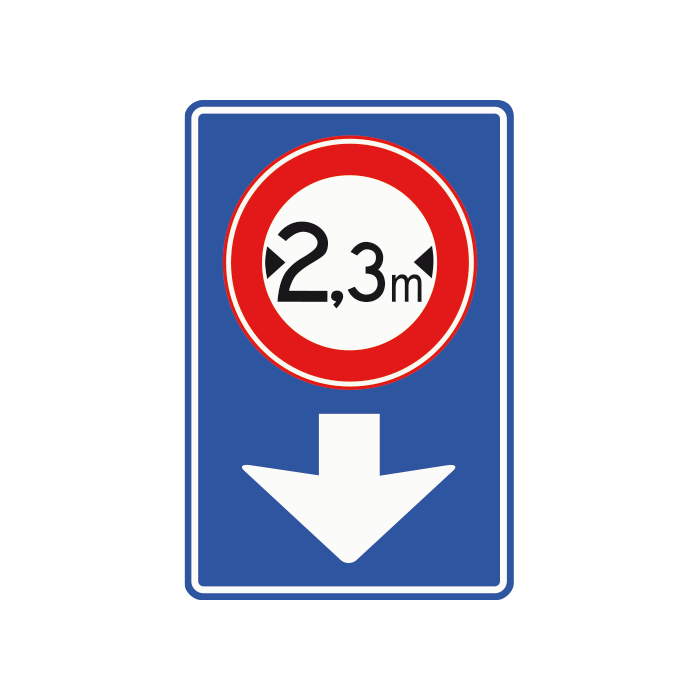
L-12
Information on sign
applies only to the lane indicated
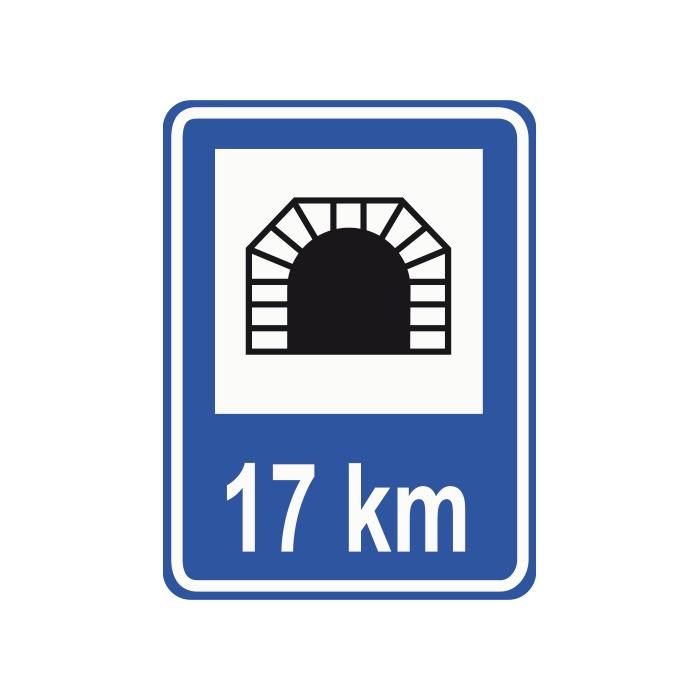
L-13
Traffic tunnel
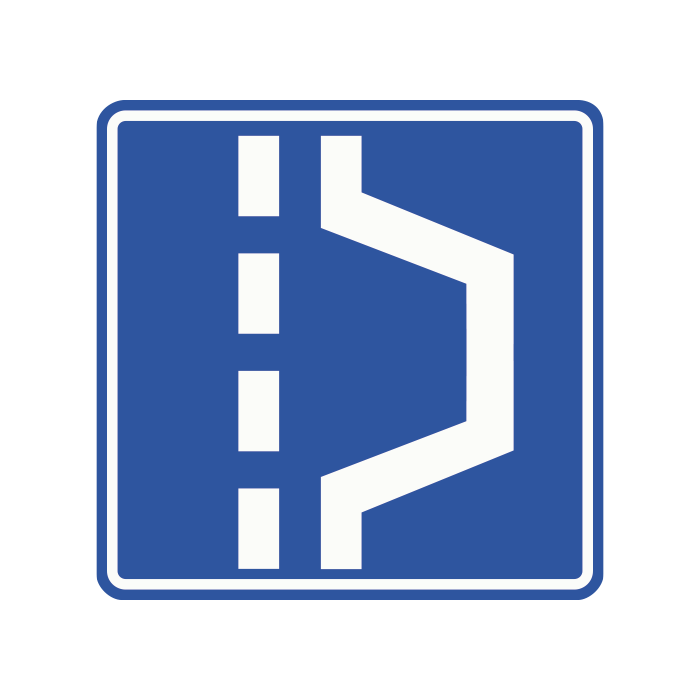
L-14
Lay-by
(emergency refuge)

L-15
Lay-by equipped with
emergency telephone and fire extinguisher

L-16
Emergency telephone
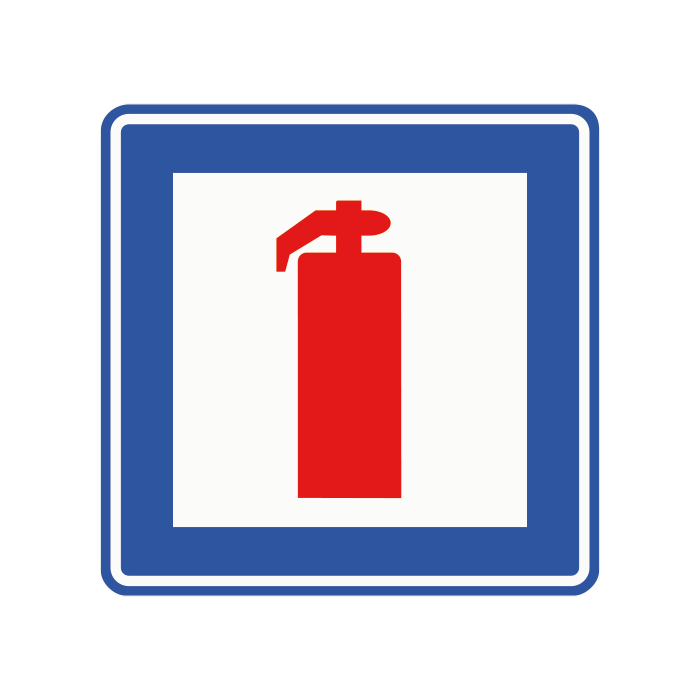
L-17
Fire extinguisher
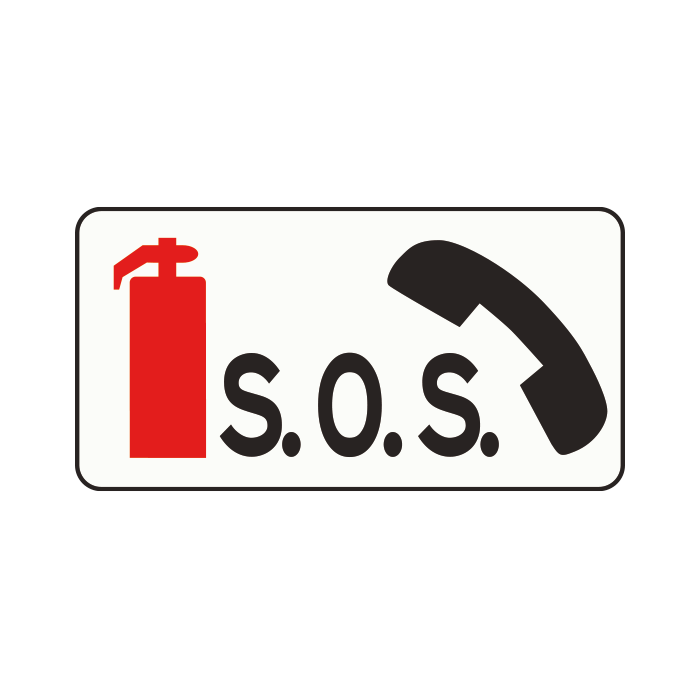
L-18
Emergency telephone and fire extinguisher
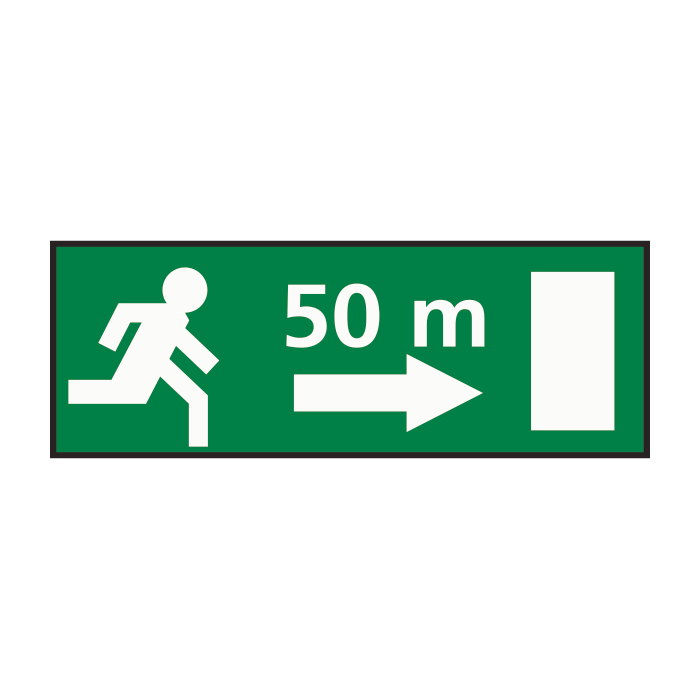
L-19
Nearest emergency exit

L-20
Passing area to the right of the road

L-21
Passing area to the left of the road

L-101-3
Taper insertion two lane carriageway

L-101-4
Taper insertion three lane carriageway
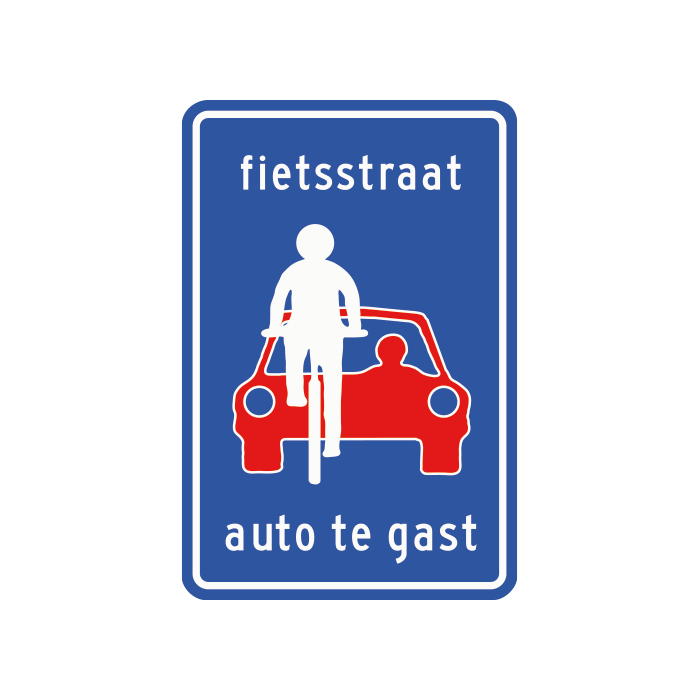
L-51
Bicycle street
- Taper insertion
This is a point where two motorways meet. The sign indicates how many lanes the left carriageway and the right carriageway consist of, which after merging form the new carriageway. The sign also indicates how many lanes this combined carriageway consists of.
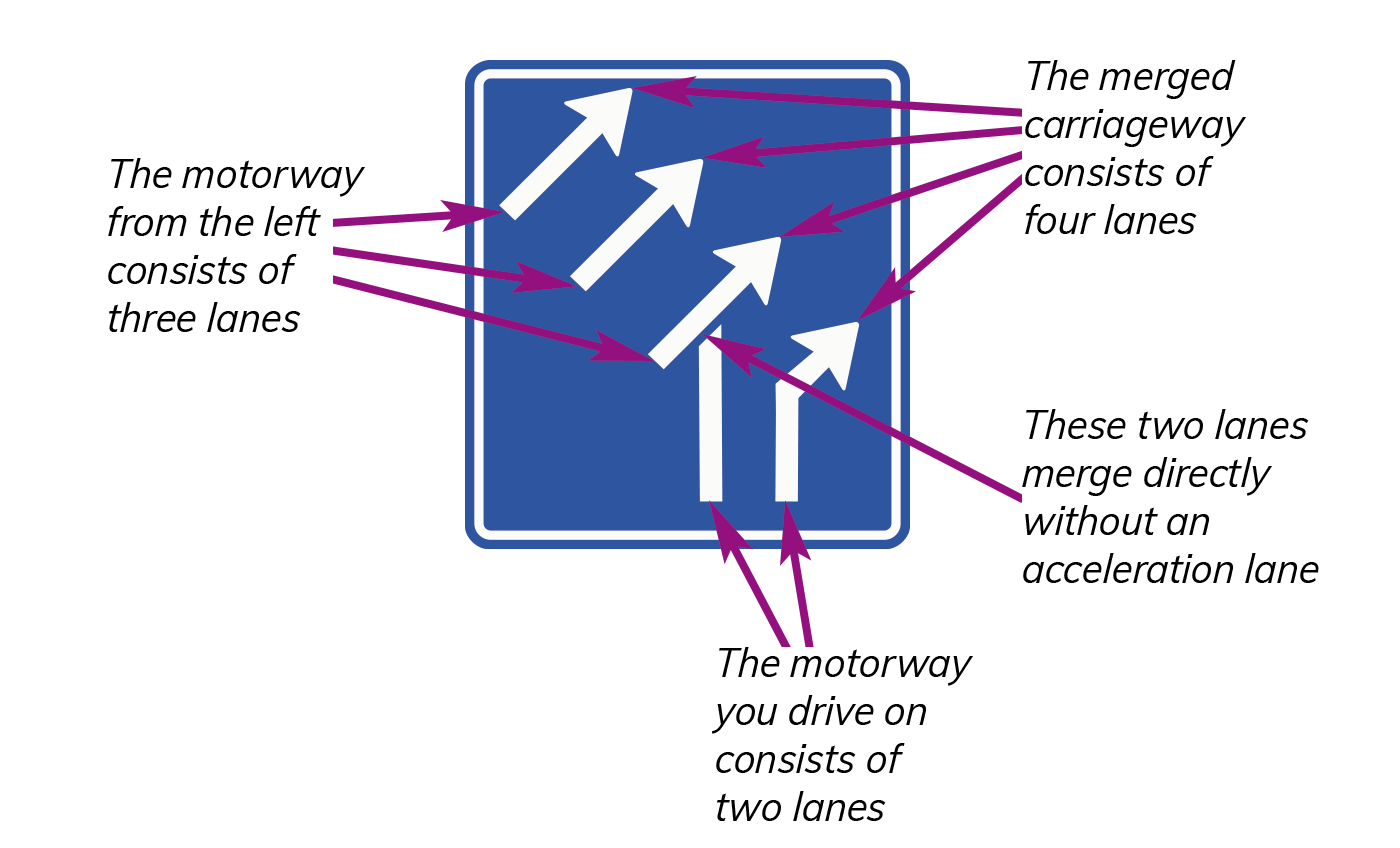
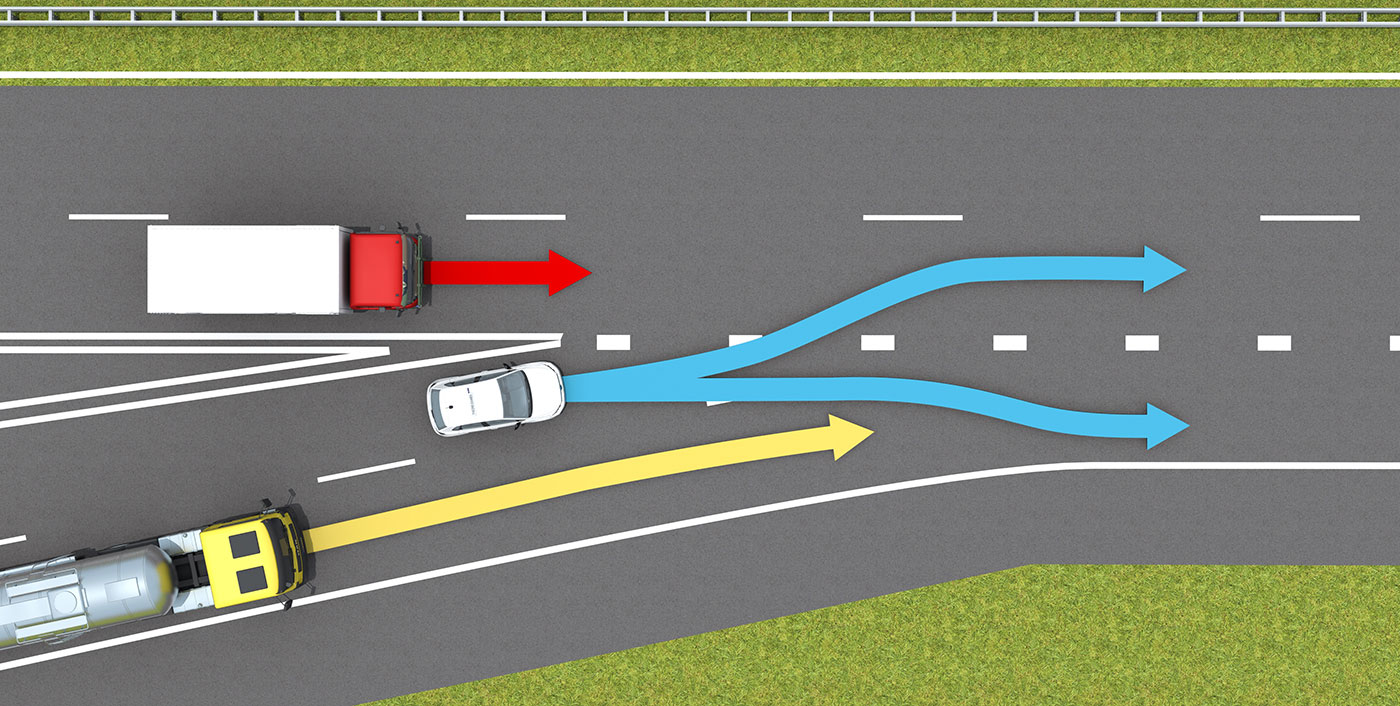
The lane where the lesson car drives on, will merge directly with the lane where the red lorry drives on. This can cause a hazardous situation if you are not prepared for it.
- Bicycle street
-
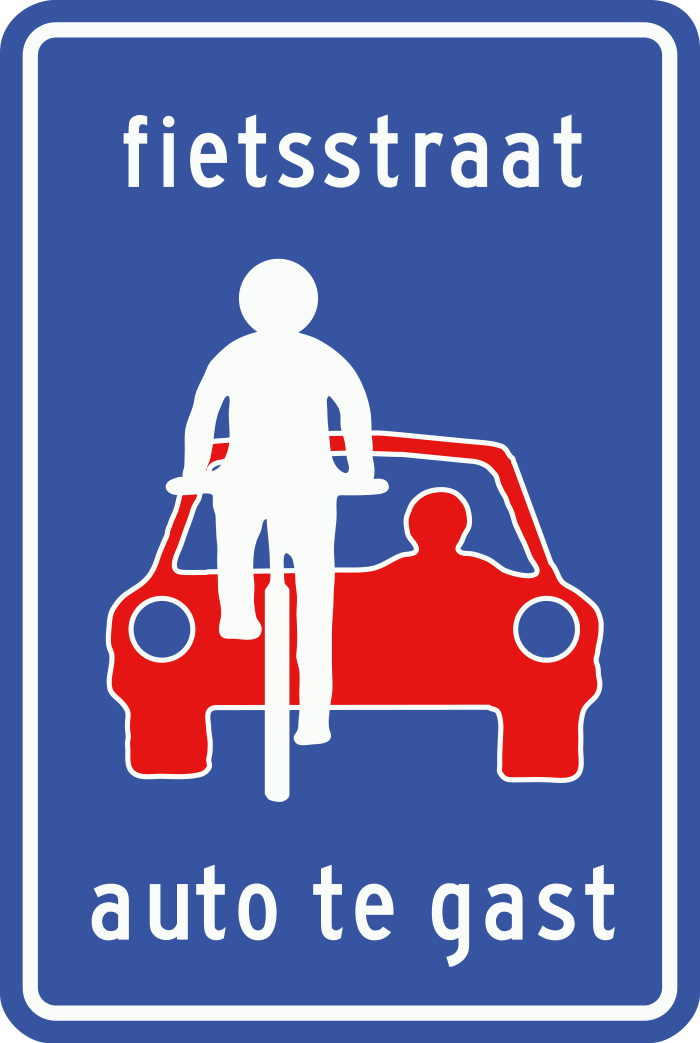
A bicycle street is a street that is usually designed as a wide cycle path. The road surface is often red over the entire width. It is indicated by sign L-51 which states that cars are guests. These streets have no legal significance. There is no specific speed limit, unless indicated by signs. The priority is also the same as normal and motor vehicles are allowed to drive here. You have to take into account the fact that there are many cyclists cycling on a bicycle street.