

Driving licence requirement
- Driving licence
Licence to operate a particular category or particular categories of motor carriages. Current driving licences are issued in the form of a credit card-sized plastic card.
You must have your original (not a copy), undamaged driving licence in your possession at all times when operating a vehicle for which a driving licence is required. If you are stopped by an authorised person, such as a police officer, you must show the officer your licence if asked. Driving licences state your social security number (BSN), which means they can often serve as identification. If your driving licence is damaged in any way, you may no longer drive the vehicle to which the licence applies.
Driving licences are only valid for the vehicle category or categories for which they are issued. Licences may also include restrictions, such as mandatory use of an automatic clutch, or glasses or contact lenses. Some driving licences are only valid if certain adjustments are made to a vehicle, such as extra pedals or mirrors. These limits are indicated on the licence using fixed codes.


Driving licence categories
Driving licences can be issued for a variety of vehicle categories. These are:

AM driving licence
This is the driving licence required to drive mopeds, snorfietsen, speed pedelecs, and brommobielen. To obtain this licence, you have to pass a theory test and a driving test.
During the driving test you can opt to use a two-wheeled moped. After obtaining the licence you are qualified to ride all vehicles in this category.
If you want to drive a brommobiel only, you can opt to take a driving test just for brommobielen. A disadvantage of this option is that, once you obtain the licence, you are only qualified to drive a brommobiel. This means you cannot drive a moped, snorfiets or speed pedelec.
If you have never obtained this licence but you do possess an A or B licence, you will receive an AM licence with that. This means you are qualified to drive any vehicle in the AM category.
A driving licence
The motorcycle driving licence is divided into three subcategories.
A1 is the least powerful motorcycle, A2 medium power, and A the most powerful.
- Code 80
From the age of 21, you may take driving tests for heavy motorcycles (category A unlimited). If you pass this test between the ages of 21 and 24, you will receive a temporary, restrictive code (code 80) on your driving licence. This code indicates that you may only operate category A2 motorcycles and category A three-wheel motorcycles.
This code is removed from your licence when you have had an A driving licence (or the previously obtained A2 licence) for two years, or when you have reached the age of 24.
B driving licence
This is the driving licence you are studying for, the passenger car licence. This licence qualifies you to drive all passenger cars up to a maximum authorised mass of 3,500 kg1. No more than eight passengers, not including the driver, are permitted. Pulling light trailers is permitted.
1 With a category B driving licence, you are allowed to drive an electric (commercial) vehicle up to 4,250 kg after completing an additional training course. In this case, you are not allowed to tow a trailer. This exemption is not tested as part of the standard driving licence B examination.
E with B driving licence
If you have a B driving licence and want to be able to pull heavier trailers and combinations than the B licence permits, you must also obtain an E driving licence.
C1 and C1E driving licence
These driving licences are required to operate light lorries and commercial vehicles with a maximum authorised mass between 3,500 kg and 7,500 kg. A maximum of eight passengers are allowed. To pull trailers with a maximum authorised mass above 750 kg, an E driving licence is required in addition to the C1 licence.
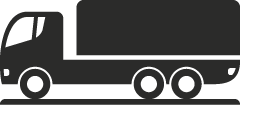
C and CE driving licence
These driving licences qualify you to drive heavier lorries. To pull trailers with a maximum authorised mass above 750 kg, an E driving licence is required in addition to the C licence.
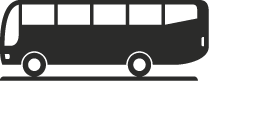
D1 and D1E driving licence
The D1 driving licence is required to drive smaller buses of up to eight metres in length with a maximum of sixteen passengers, not including the driver. To pull trailers with a maximum authorised mass above 750 kg, an E driving licence is required in addition to the D1 licence.
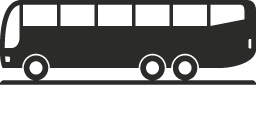
D and DE driving licence
Driving licence D is valid for larger buses such as coaches and public transport buses. These may be longer than eight metres and carry more than sixteen passengers. For trailers with a maximum autorised mass greater than 750 kg, E is also required in addition to D.
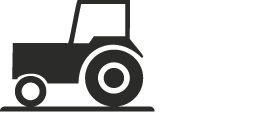
T driving licence
This licence is required to drive on public roads in an agricultural or forestry tractor, or a motor carriage with limited speed.
Exceptions to driving licence requirement
A driving licence is not required for some motor carriages. These are the most important:
- Special mopeds
These mopeds, which include segways, have been designated as not subject to the driving licence requirement. The maximum speed for these vehicles never exceeds 25 km/h. There may be a minimum age for these mopeds – for segways you must be 16 years of age. - Small agricultural or forestry tractors (LBTs) and motor carriages with limited speed (MMBSs) (maximum 1.30 metres wide)
Narrower agricultural and forestry tractors (LBTs) and motor carriages with limited speed (MMBSs) used for mowing, weed control, sweeping, snow removal, slip control, or dog feces collection. These are generally municipal vehicles. - Motorised disability vehicles
- During a driving lesson, a driving test (CBR) or a driving exam (CBR)
You do not need a driving licence while taking driving lessons or a (mock) driving test.
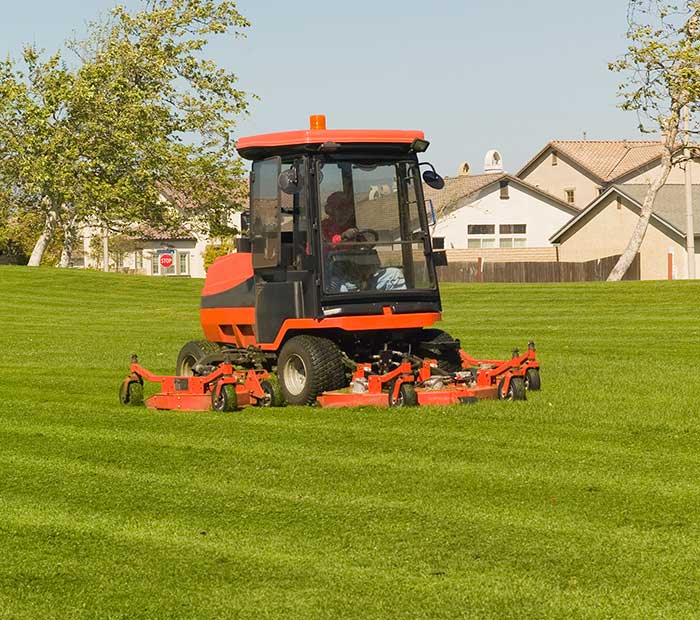
For a narrow MMBS like this lawn mower, a driving licence is not required.
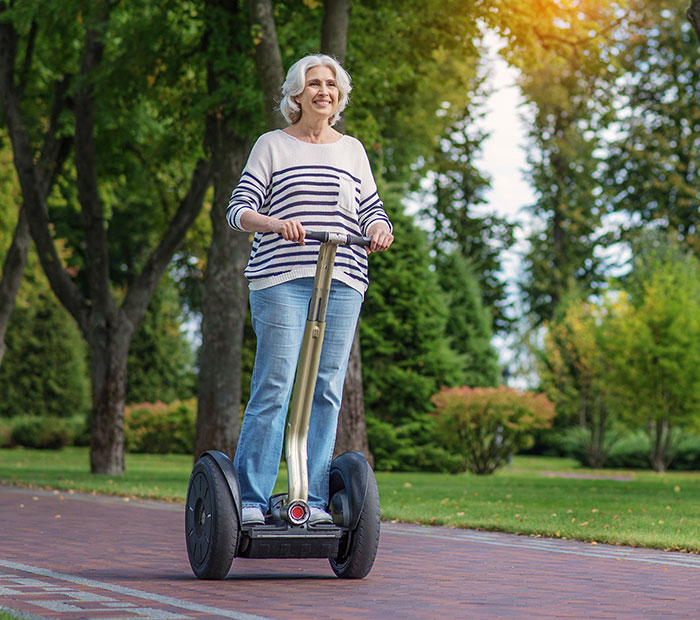
You do not need a driving licence to operate a segway.
Warning!
If you are disqualified from driving, you may no longer drive any motor
carriage. This also applies to motor carriages for which you do not need a driving licence.
Age
Different minimum age limits apply when obtaining driving licences for specific motor carriages. For example, you can obtain a driving licence for a moped earlier than a passenger car licence. You must be slightly older, however, to operate a lorry or a bus, unless you undergo specific training for this type of vehicle.
| Minimum age practical exams | Exceptions | |
|---|---|---|
| AM Moped |
16 years | Received with A and B |
| A1 Motorcycle max. 11 kW |
18 years | Lessons allowed from 17 years of age |
| A2 Motorcycle max. 35 kW |
20 years | If in possession of A1, lessons allowed from 19 years of age |
| A All motorcycles |
21 years | Restrictive code 80 |
| 22 years | In possession of A2 for 2 years, no code 80 | |
| 24 years | None A2 required, no code 80 | |
| B Passenger car |
17 years | 2toDrive, with coach, only in NL (from 18 years of age: 2toDrive ends) Lessons allowed from 16.5 years of age |
| BE Trailer |
18 years | |
| C1(E) Light lorry |
18 years | |
| C(E) Heavy lorry |
18 years | With certificate of professional competence |
| 21 years | None certificate | |
| D1(E) Small bus |
18 years | With certificate of professional competence |
| 21 years | None certificate | |
| D(E) Large bus |
18 years | With certificate of professional competence |
| 24 years | None certificate | |
| T Agricultural vehicle |
16 years |
Instructor requirements
A driving instructor must also adhere to certain rules, such as being in possession of a valid instructor pass. You may ask to see your instructor’s pass at any time.
Instructors may not combine motorcycle and moped driving lessons, or vehicle and motorcycle lessons. In addition, instructors must remain in contact with their students. While this is easy in a car, moped and motorcycle lessons require the use of a walkietalkie and an earpiece that must be worn by the student to maintain radio contact.
Driving instructors receive their instructor pass after passing a driving instruction course. The instructor pass is valid for a limited time and must be renewed on time. Instructors must always be able to show their pass if asked while teaching.
You can also check your instructor’s authorisation at: www.ibki.nl/bevoegdheidschecker.
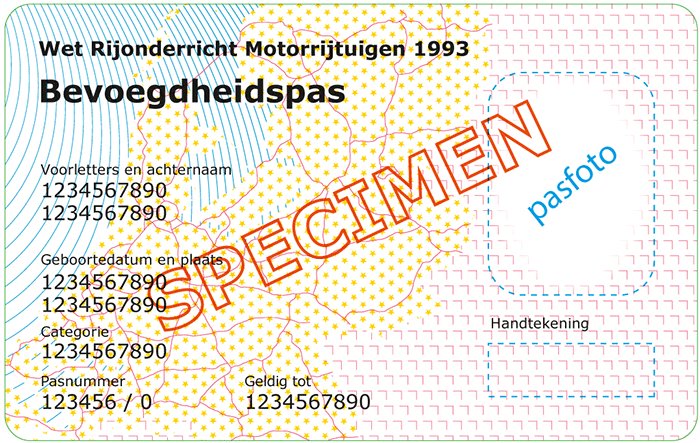
Front of instructor pass
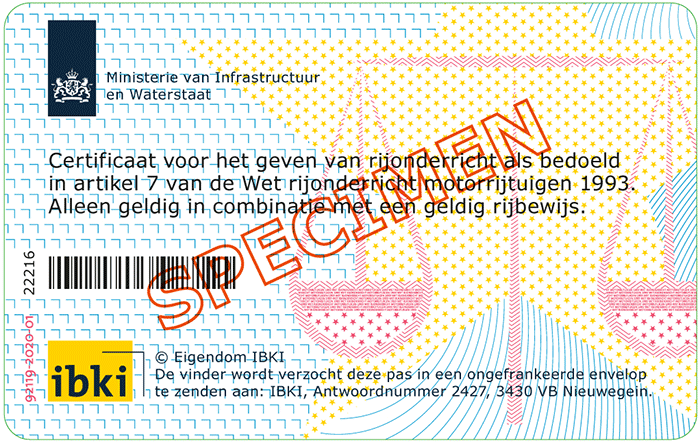
Back of instructor pass