

Traffic insight and driving behaviour
Traffic awareness and proper handling of your vehicle (vehicle control) is crucial to participating in busy traffic. The way you interact with other drivers is also an important element of road safety.
Traffic awareness goes beyond knowing and applying the rules. Some situations cannot be resolved with rules, leaving drivers themselves to determine the correct course of action. Thinking only of yourself may endanger other road users. A good driver prioritises the interests of others where necessary, even if that means putting their own interests aside.
Antisocial and aggressive driving
Road users that put their own interests first are behaving antisocially, putting themselves and others at risk. Examples of this include taking priority out of turn, driving too fast, ignoring traffic lights, and cutting off other road users. Some will also react aggressively when confronted.
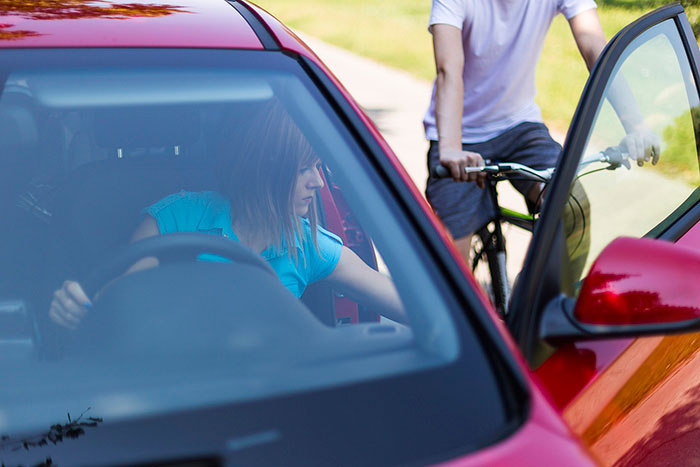
Opening the car door without looking properly, falls under antisocial behaviour.
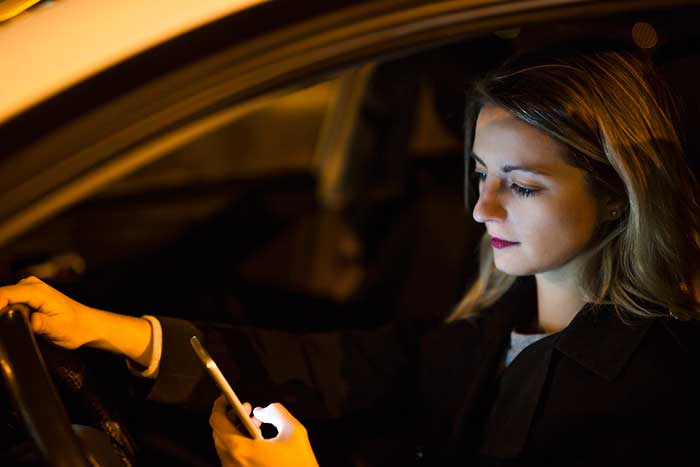
Texting while driving is also antisocial and downright dangerous.
In these cases, police can opt to invoke Article 5 of the Road Traffic Act, which prohibits road users from operating a vehicle in such a way that causes hinder or presents a danger while driving on public roads. Drivers who violate this article face losing their licence, heavy fines, or an obligatory Educational Measure Behaviour and Traffic (EMG). Some offenders may even go before a judge.
- Article 5 of the Road Traffic Act, ‘Kapstokartikel’
Behaving in such a way that causes hinder or danger to other road users or that could lead to this is prohibited.
Social and defensive driving
A good driver puts their own interests aside when necessary. Beyond simply following rules and avoiding errors, this involves predicting and recognising the mistakes of others and helping to rectify them.
Giving way to other drivers who are struggling to merge into traffic, is also seen as social driving behaviour.
Social driving behaviour requires defensive driving. Driving defensively means looking ahead, adjusting your speed in time, and accounting for unexpected situations.
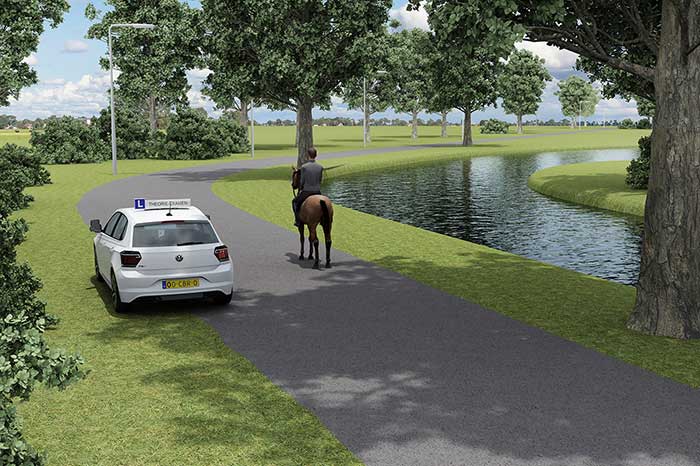
Overtaking a horse rider calmly and spacious is considered social and safe driving behaviour.
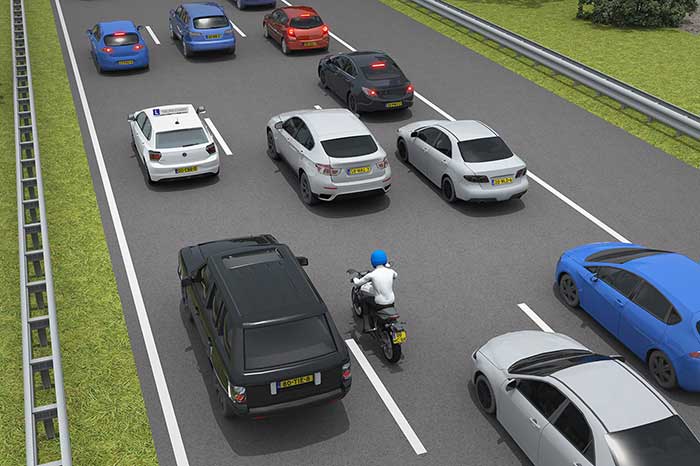
Making room for motorcyclists so that they can drive in between traffic jams falls under social driving behaviour.
- Anticipation
Looking ahead and thinking ahead. Being prepared to react at a moment’s notice. Recognising potentially dangerous situations in time.
Reacting accordingly is called defensive driving.
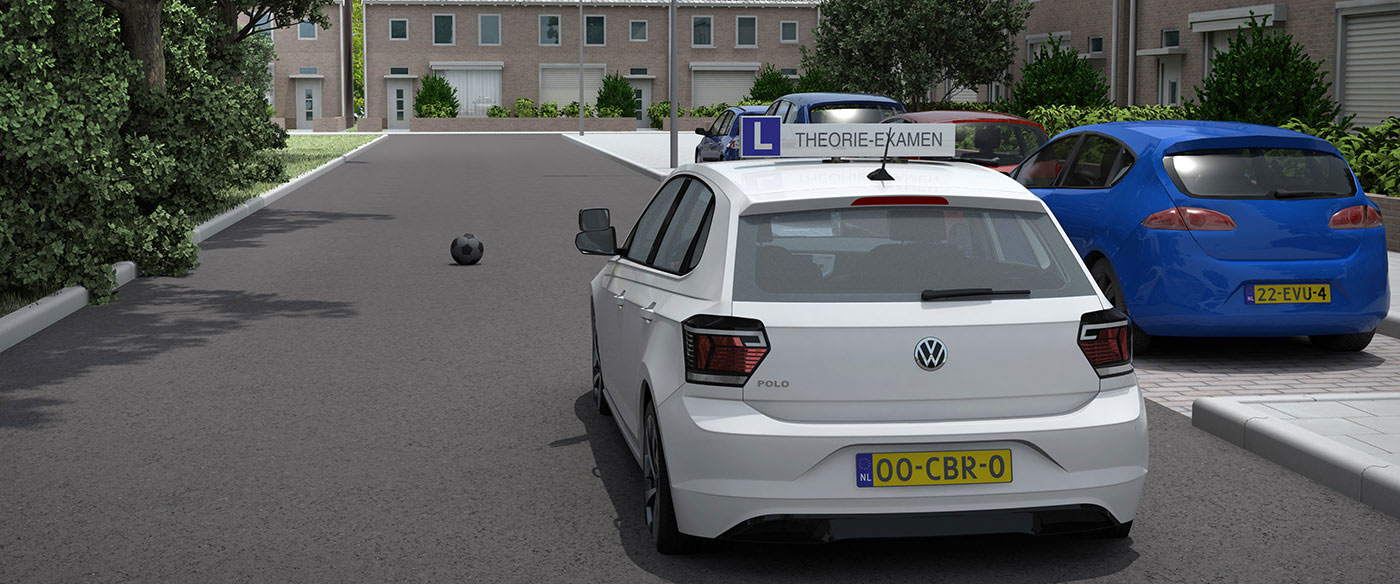
Taking into account children playing and reacting immediately as soon as a ball hits the road is anticipation.
Neither anticipation nor defensive driving require you to drive extra slowly, nor do they involve giving way to others when you have right of way. It means empathising with other road users, understanding their intentions and what they expect from you, and adjusting your behaviour accordingly.
Decisive driving
Decisive driving means making the right decisions on time and implementing those decisions quickly. It also means being clear about your intentions, which requires knowledge of traffic rules and awareness of traffic.
The more experienced the driver, the easier decisive driving is. The terms ‘defensive driving’, ‘decisive driving’, and ‘anticipation’ are inextricably linked. Looking and thinking as far ahead as possible remains the most important element.