

Meaning per category – J
This category consists entirely of warning signs. These signs give you the opportunity to anticipate a possible danger in time. Sometimes they are combined with category A signs. This can be with a speed limit or with a recommended speed.
For example, there are signs that warn about a certain condition or shape of the road:
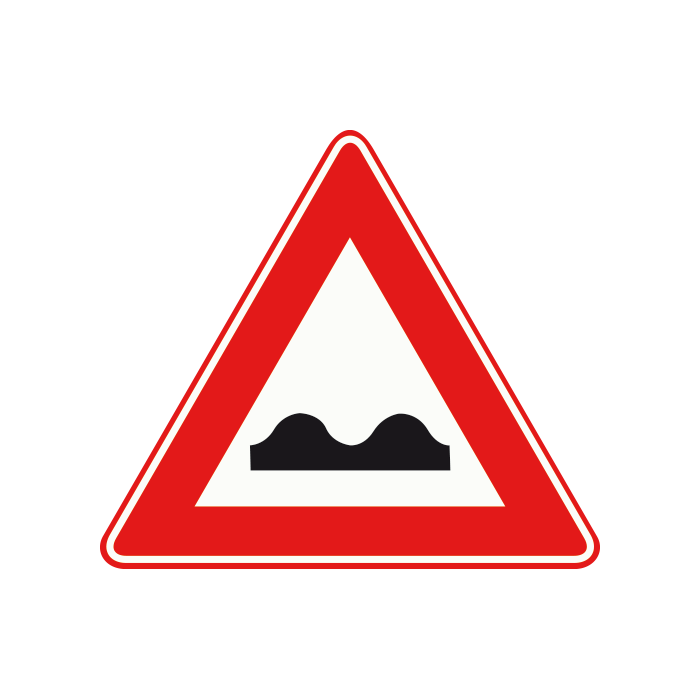
J-1
Poor road surface
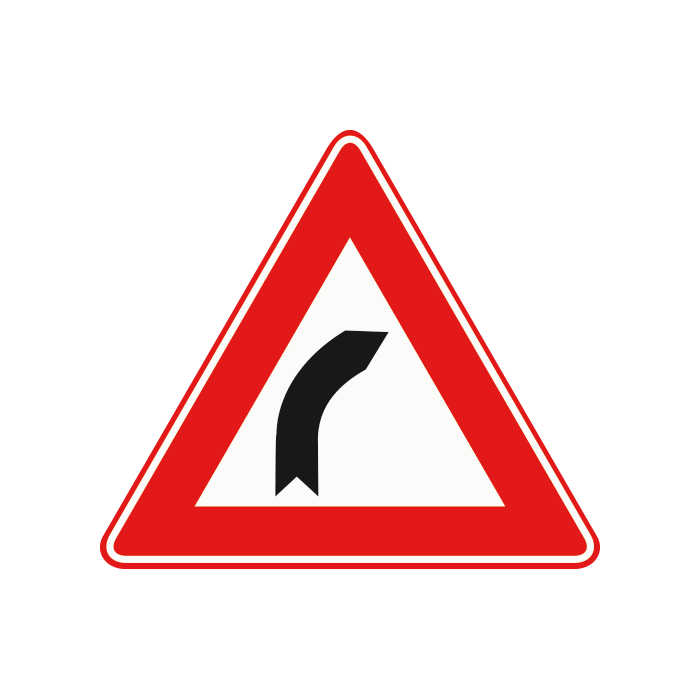
J-2
Bend to the right
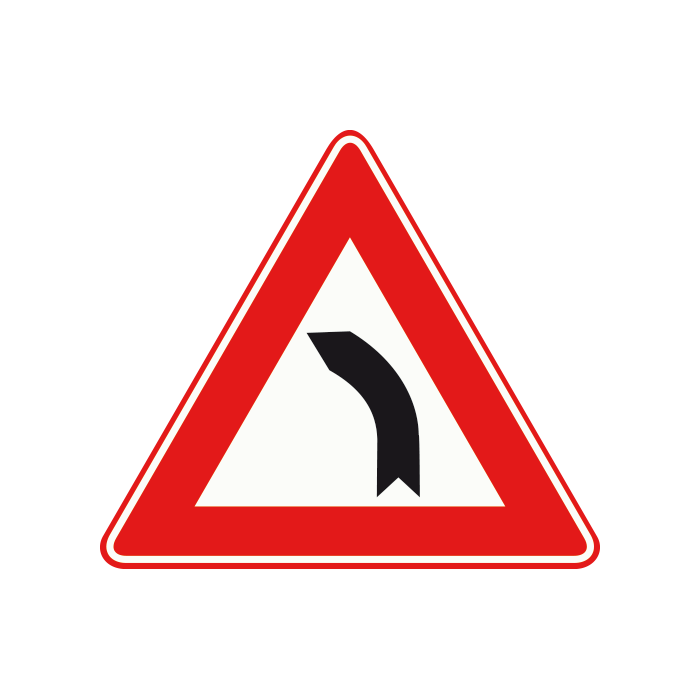
J-3
Bend to the left
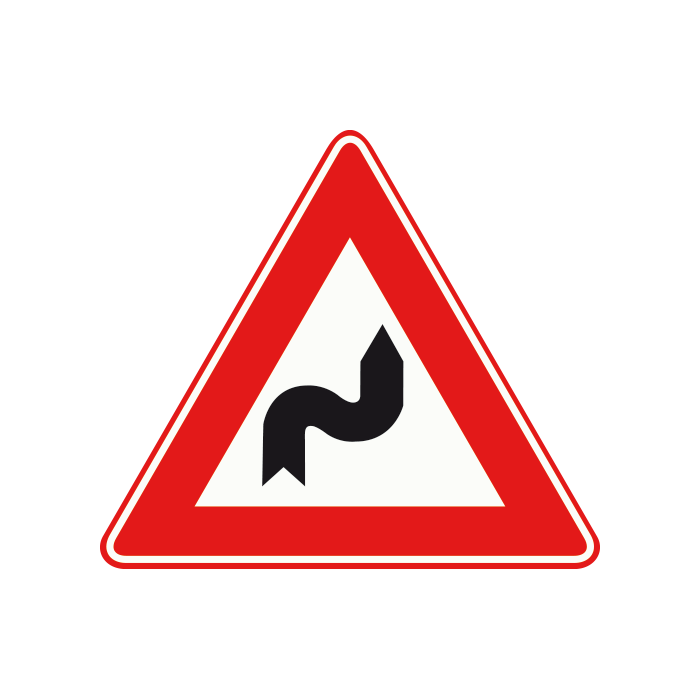
J-4
Double bend, first to right
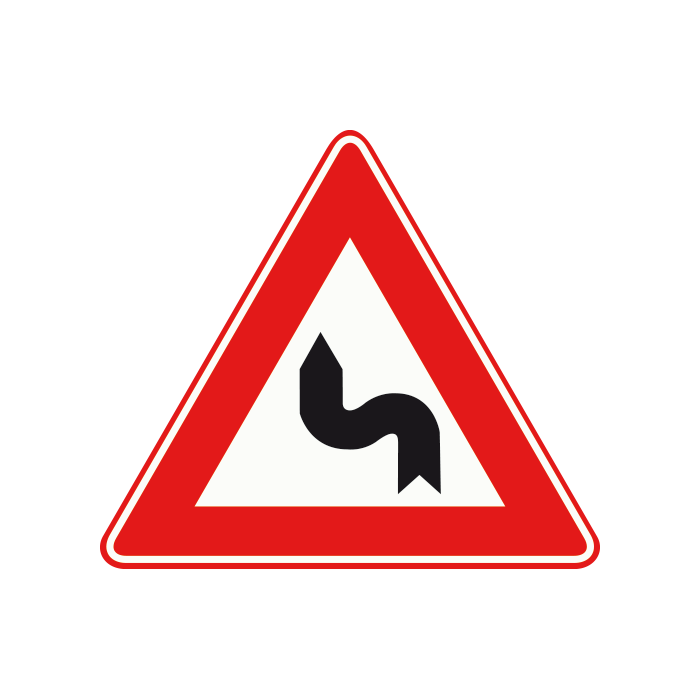
J-5
Double bend, first to left
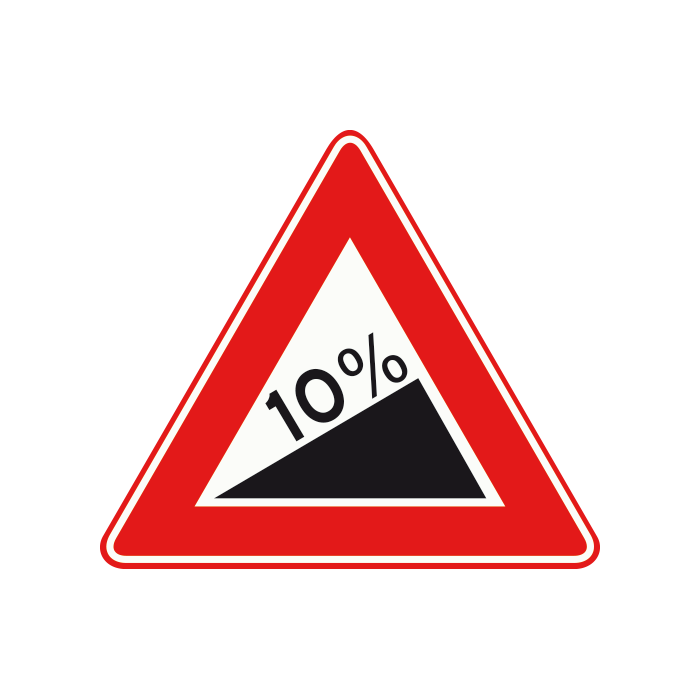
J-6
Steep slope
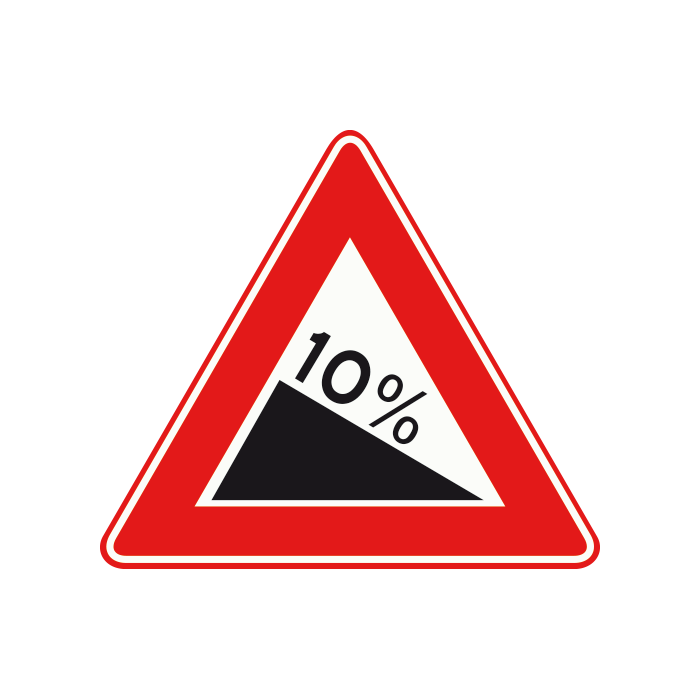
J-7
Dangerous descent
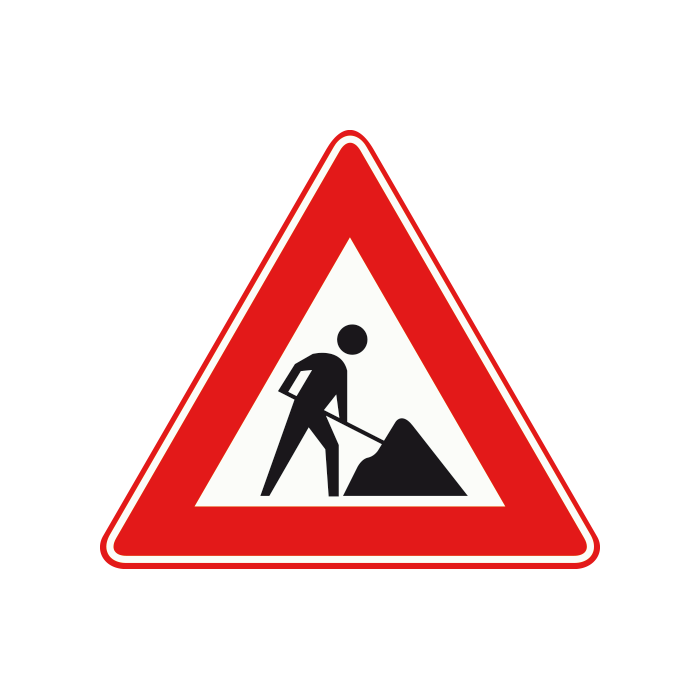
J-16
Road work in progress
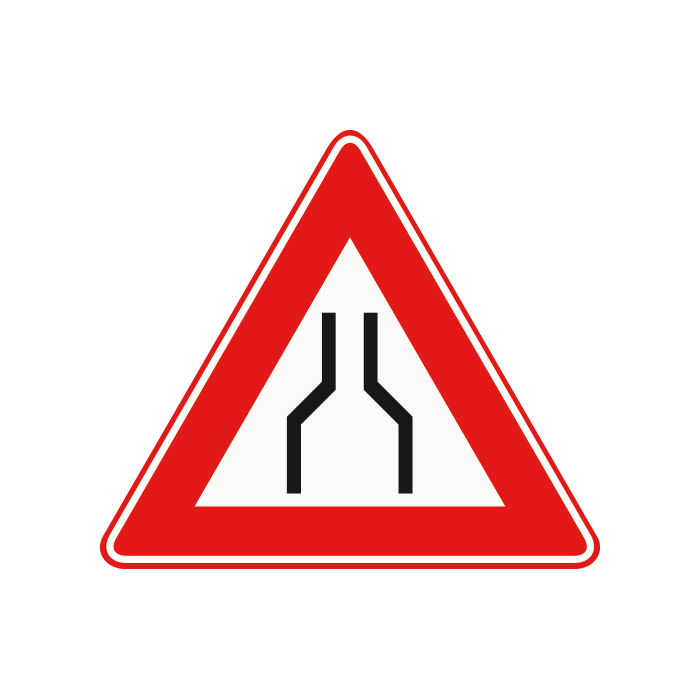
J-17
Carriageway narrows on both sides
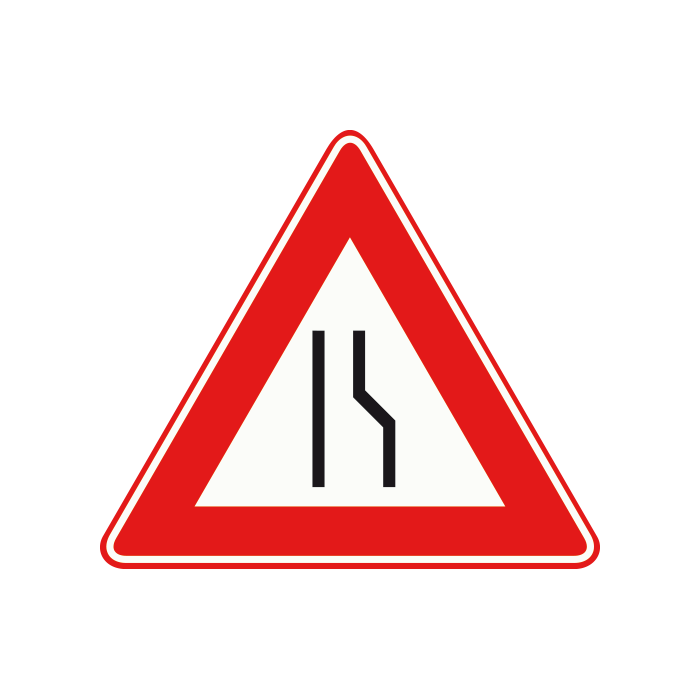
J-18
Carriageway narrows on the right side
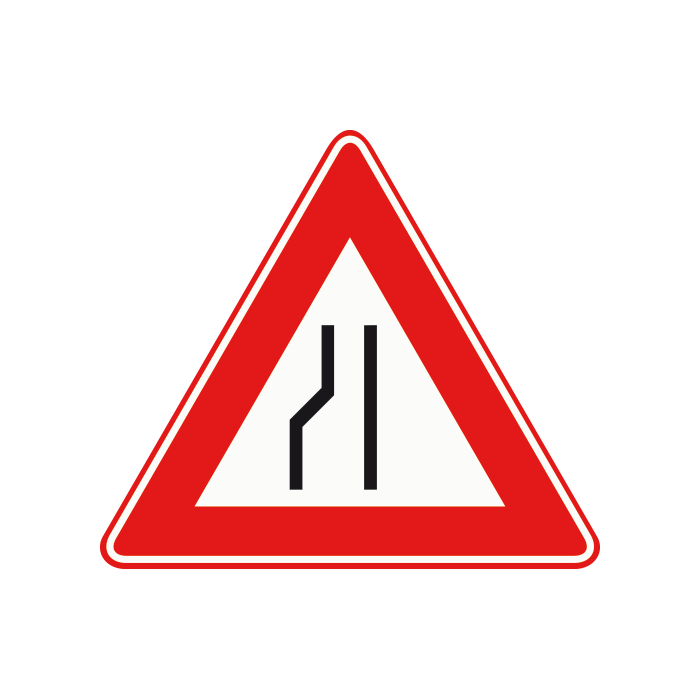
J-19
Carriageway narrows on the left side
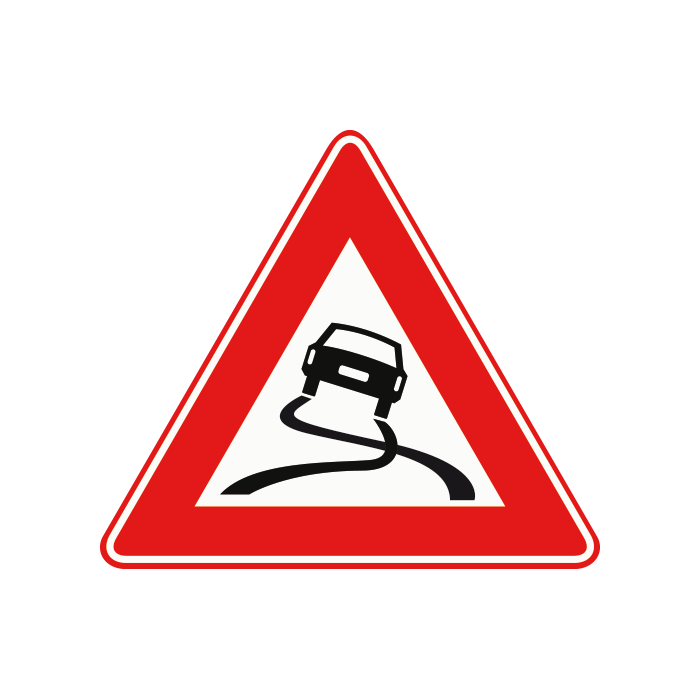
J-20
Danger of skidding
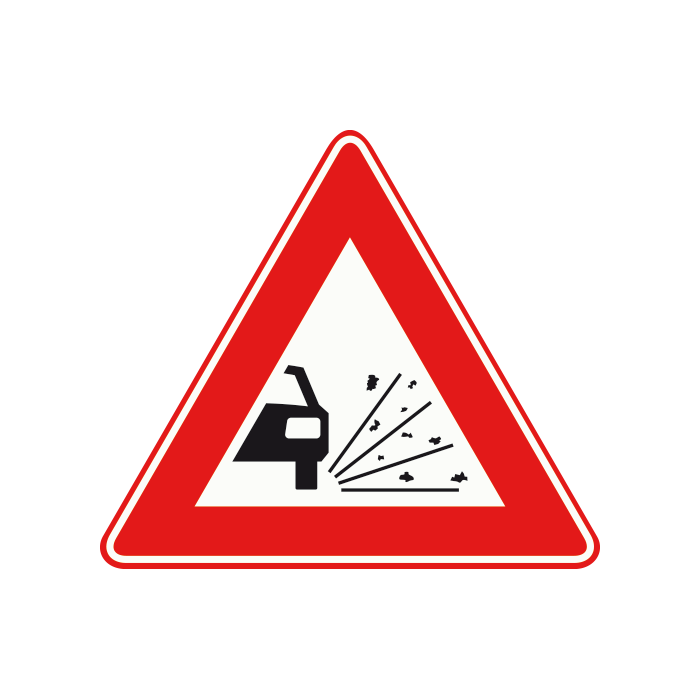
J-25
Loose chippings
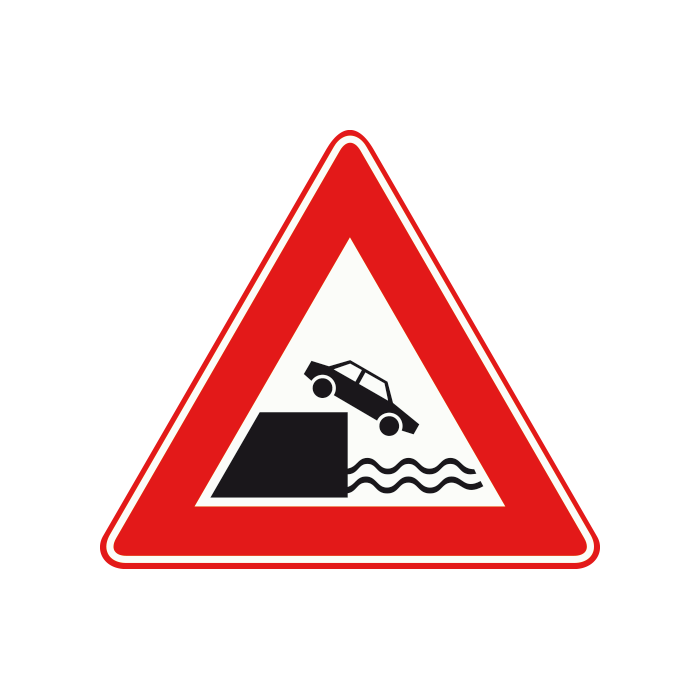
J-26
Quay or river bank
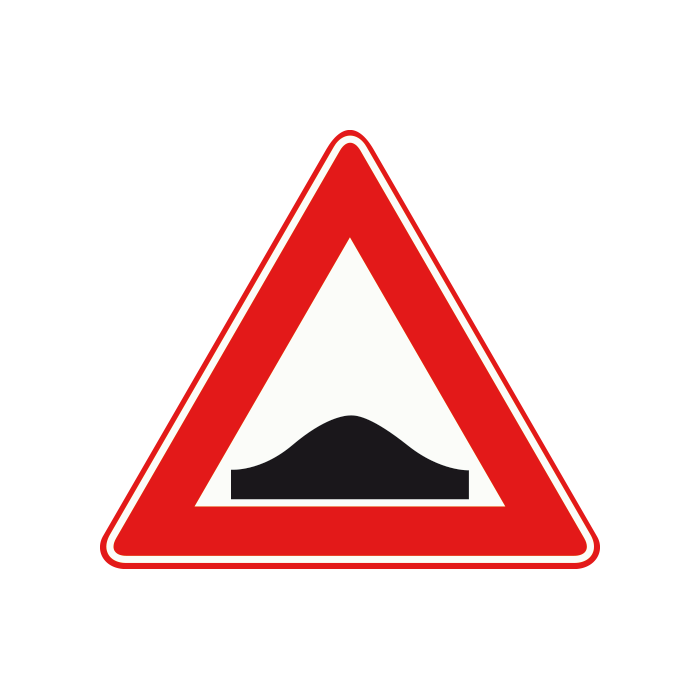
J-38
Speed bump
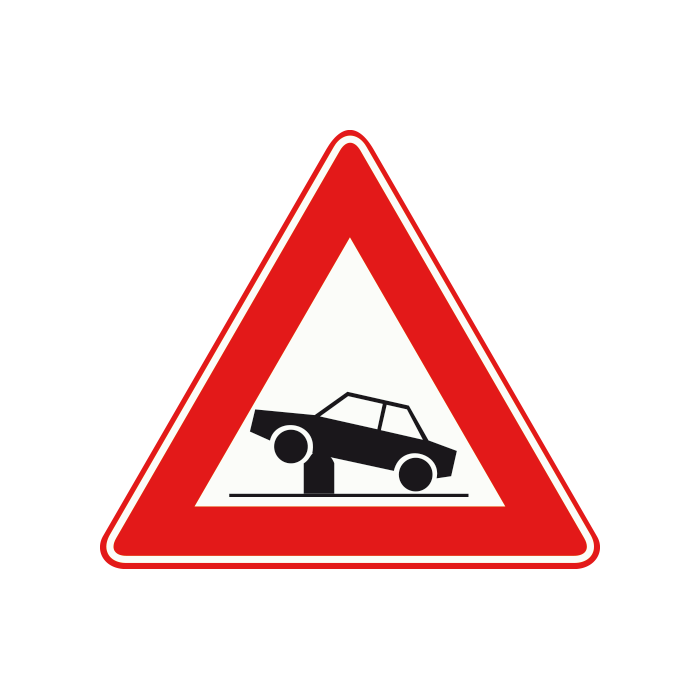
J-39
Retractable bollard (poller) in the carriageway
There are also signs that warn you that you are approaching a dangerous traffic point:

J-8
Dangerous intersection
(normally placed at dangerous intersections
of equal roads)
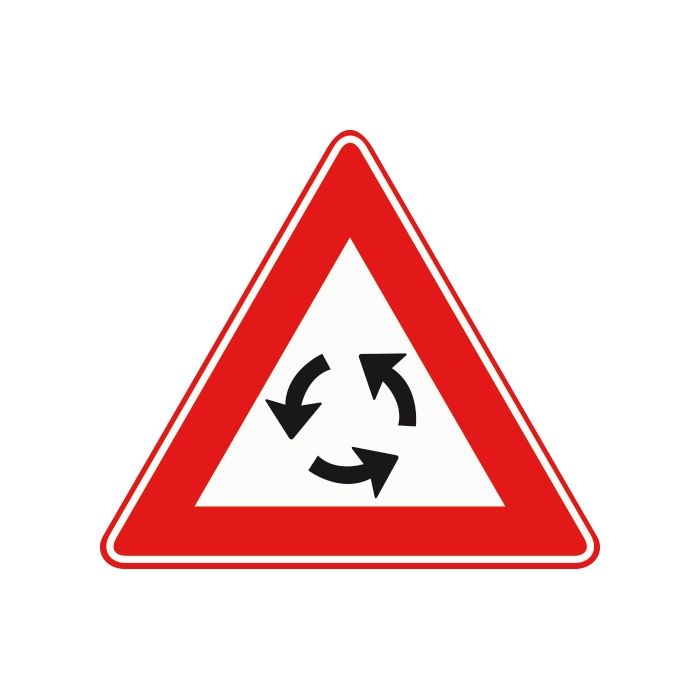
J-9
Roundabout
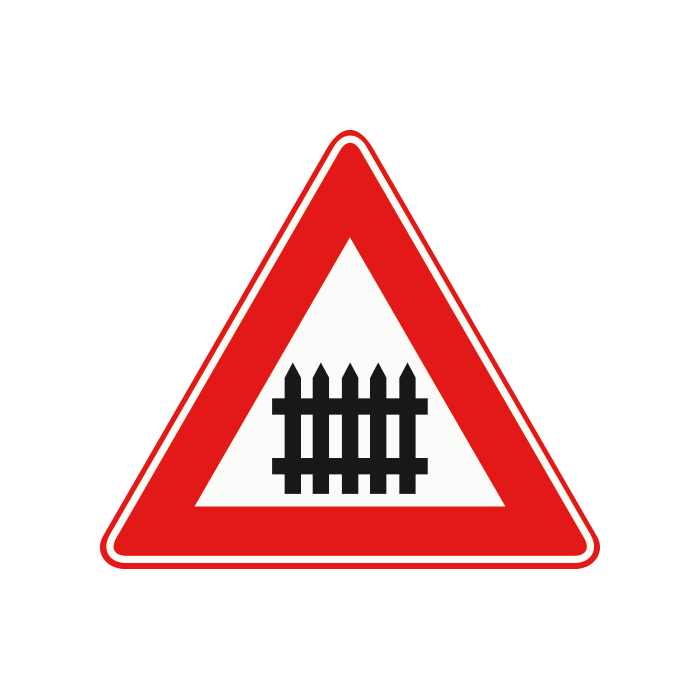
J-10
Level crossing with level crossing barriers
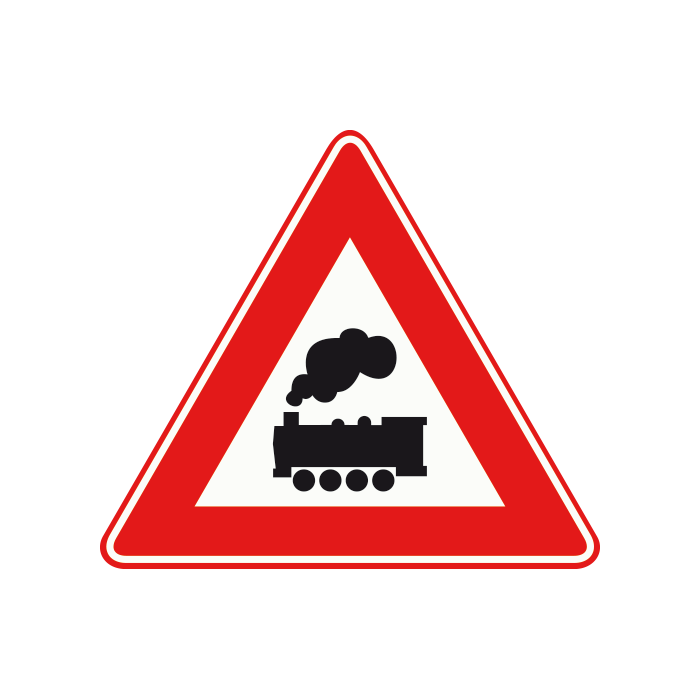
J-11
Level crossing without level crossing barriers
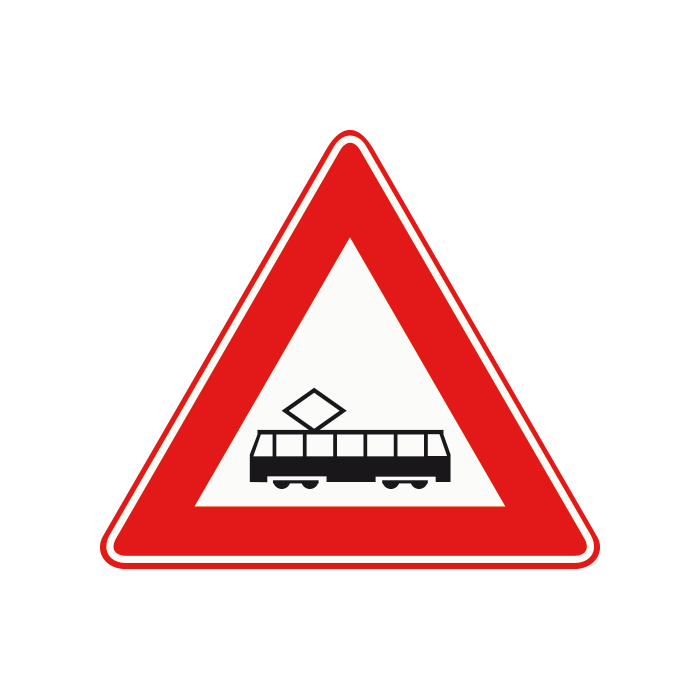
J-14
Tram (crossing)
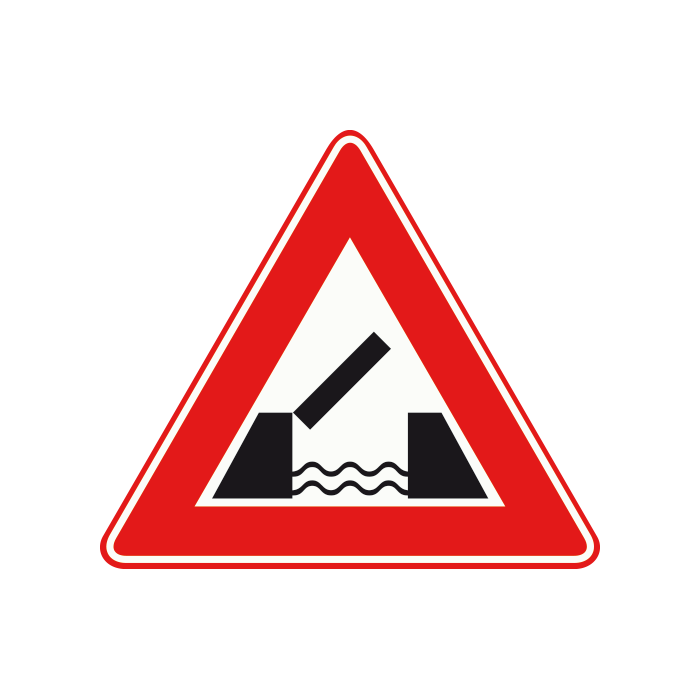
J-15
Movable bridge
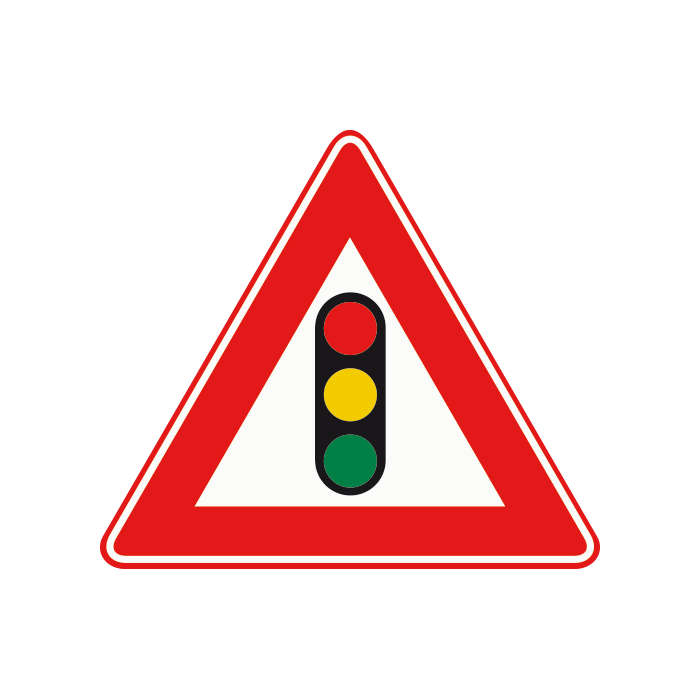
J-32
Traffic lights
St. Andrew’s crosses are always displayed at level crossings (indicated by signs J-10 and J-11). These indicate how many tracks cross the road. With a single St. Andrew’s cross (J-12) this is only one, with a double St. Andrew’s cross this can be two, but also more. In that case, after a train has passed, a second train can also come from the opposite direction.
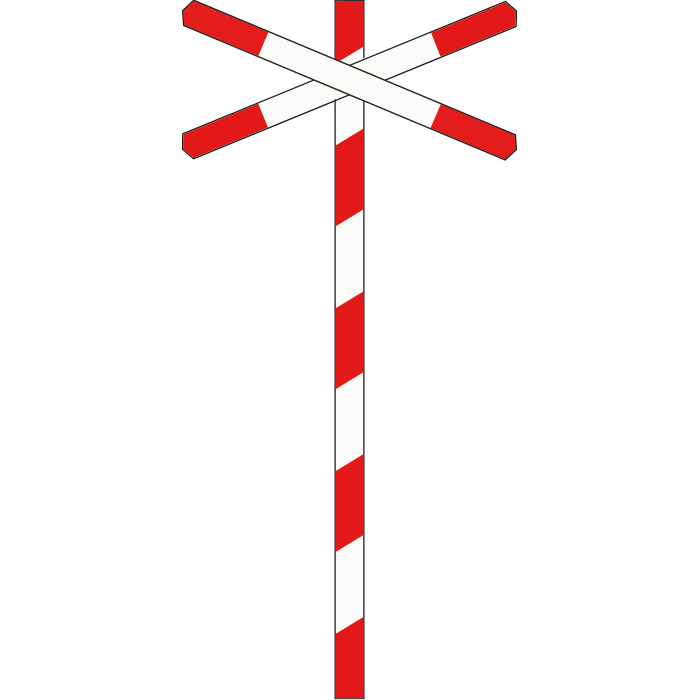
J-12
Single St. Andrew’s cross (one track)
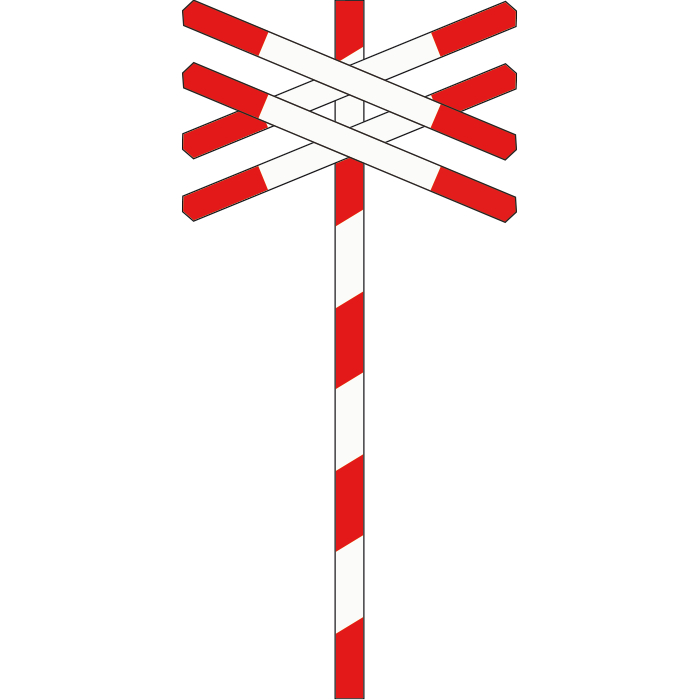
J-13
Double St. Andrew’s cross (two or more tracks)
The following signs warn against other road users, animals and low-flying aircraft:
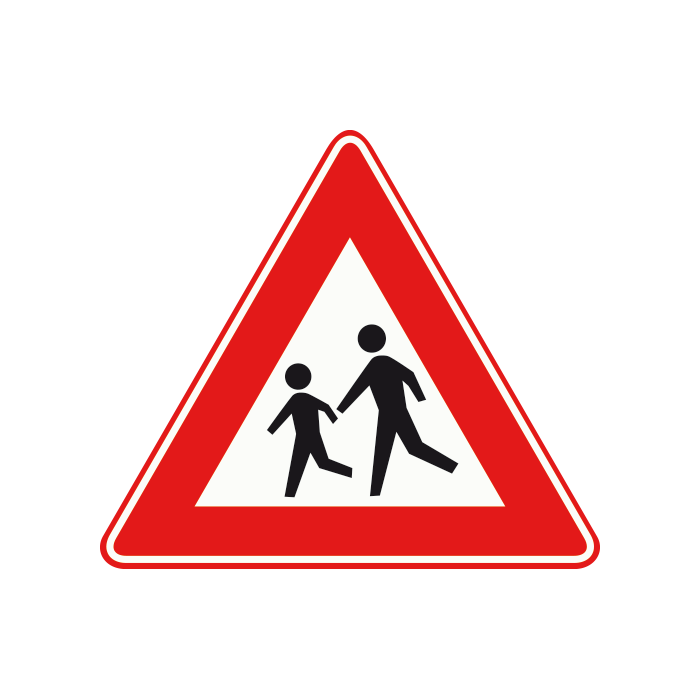
J-21
Children
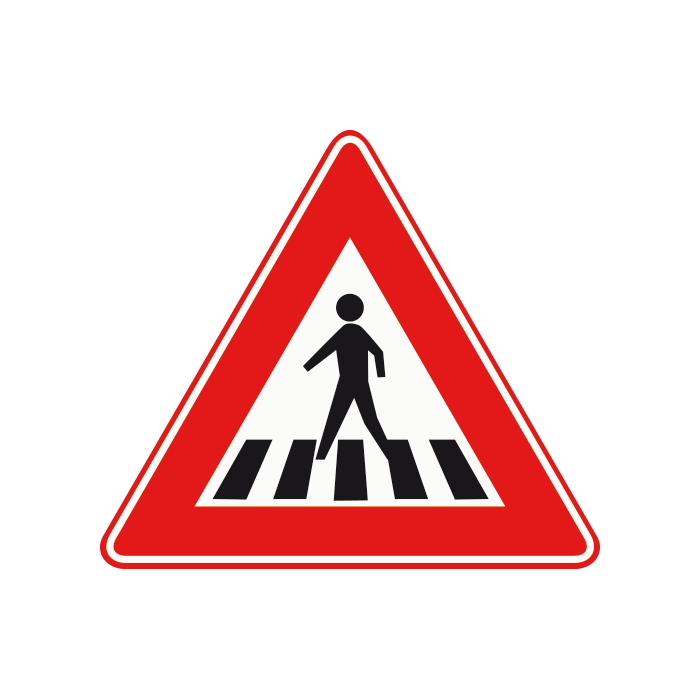
J-22
Pedestrian crossing
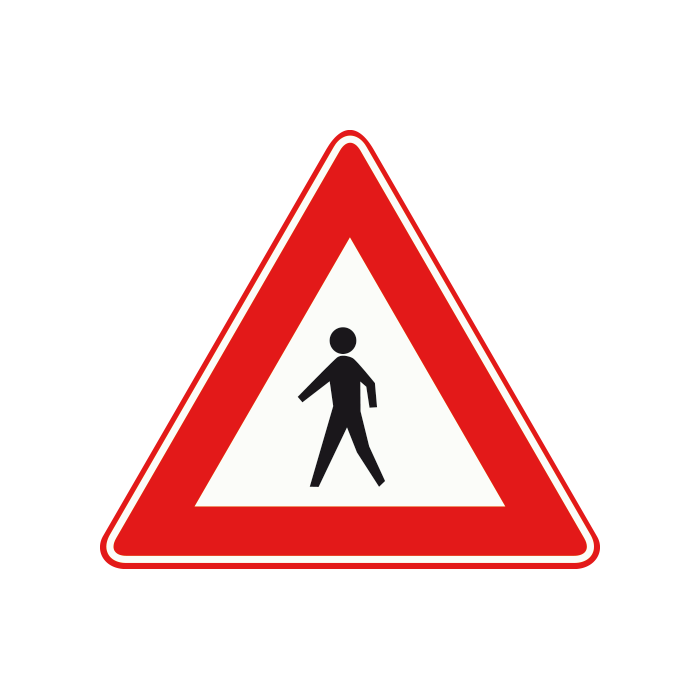
J-23
Pedestrians
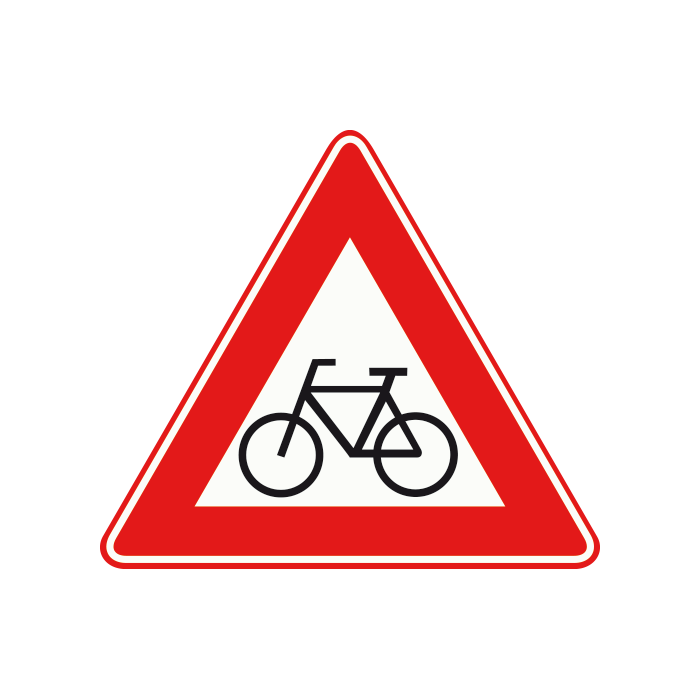
J-24
Cyclists and moped riders
Although this sign only shows the symbol of a bicycle, it gives a warning for both bicycles and snorfietsen, as well as mopeds and speed pedelecs. It is usually placed at a crossing where the cycle path or cycle/moped path crosses the road.
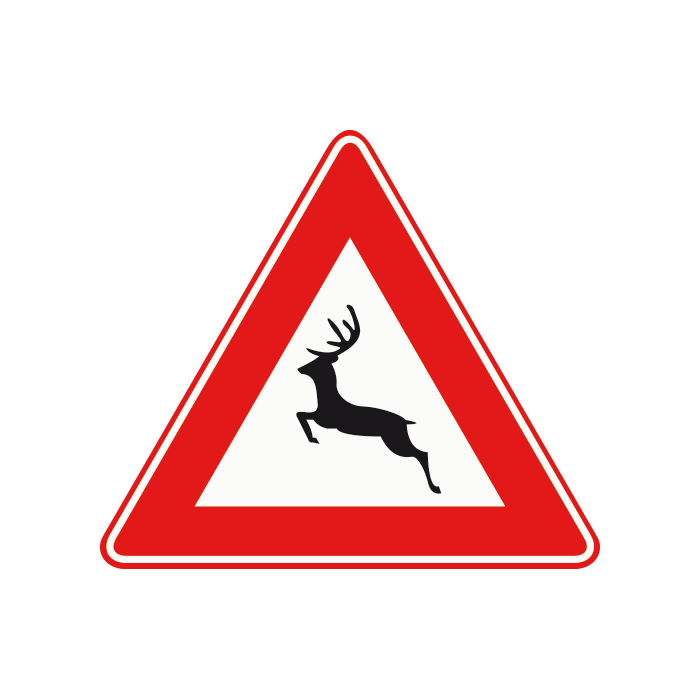
J-27
Wild animals
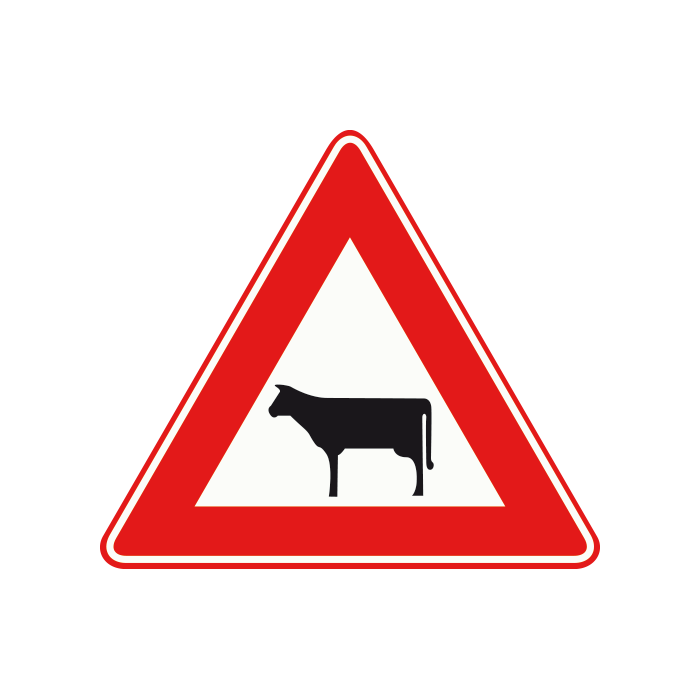
J-28
Livestock
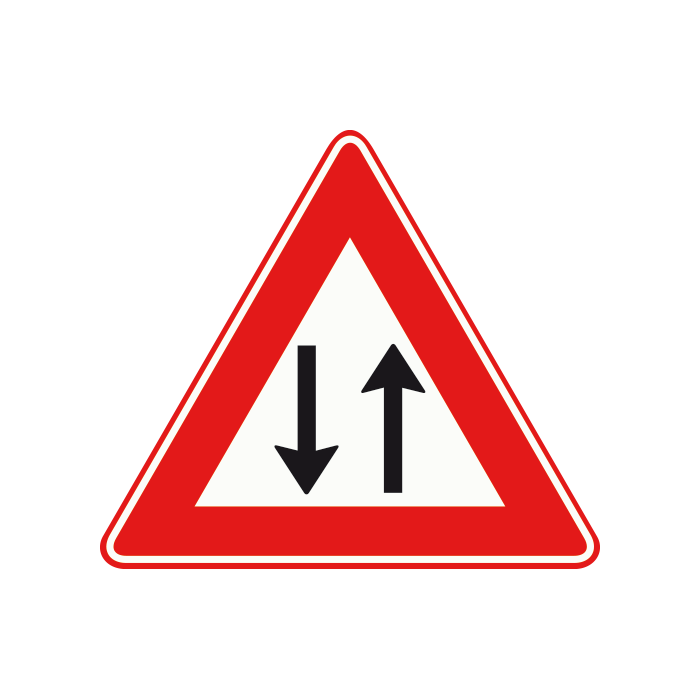
J-29
Oncoming traffic
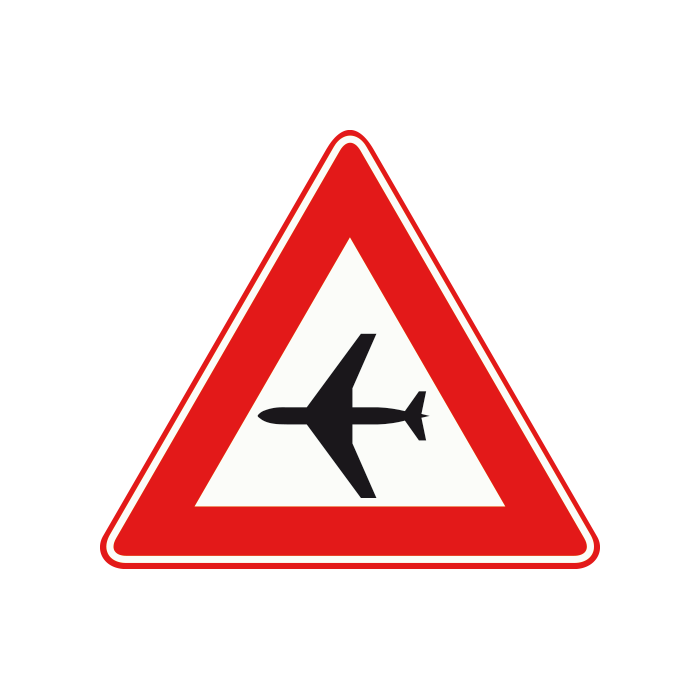
J-30
Low-flying planes
The following signs are typically used temporarily on electronic matrix signs. This means that they only appear when the situation arises. But they can also be standard where the situation regularly occurs. For example in places where traffic jams often occur, or on viaducts where there is almost always crosswind.
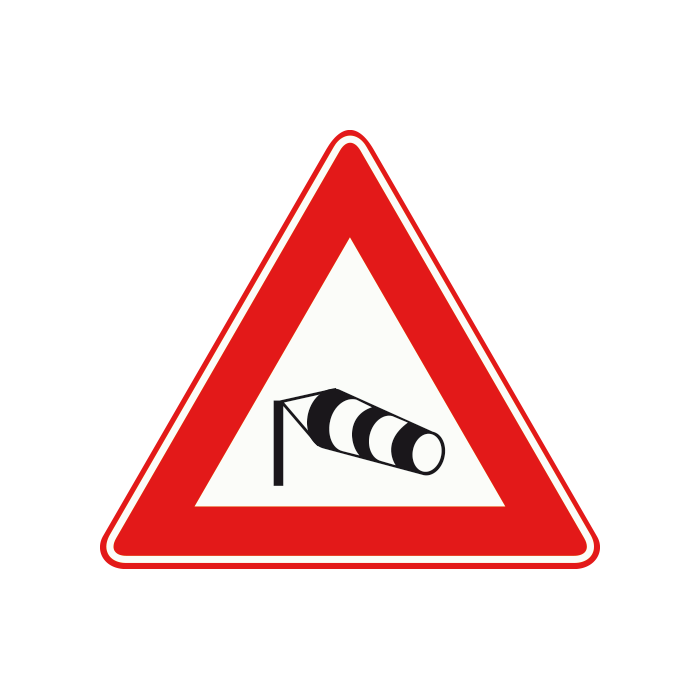
J-31
Crosswind
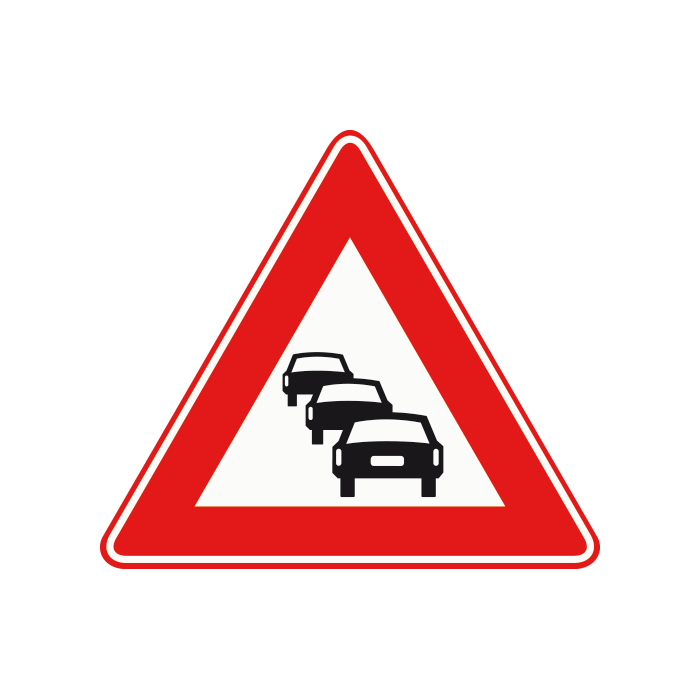
J-33
Possible traffic jam
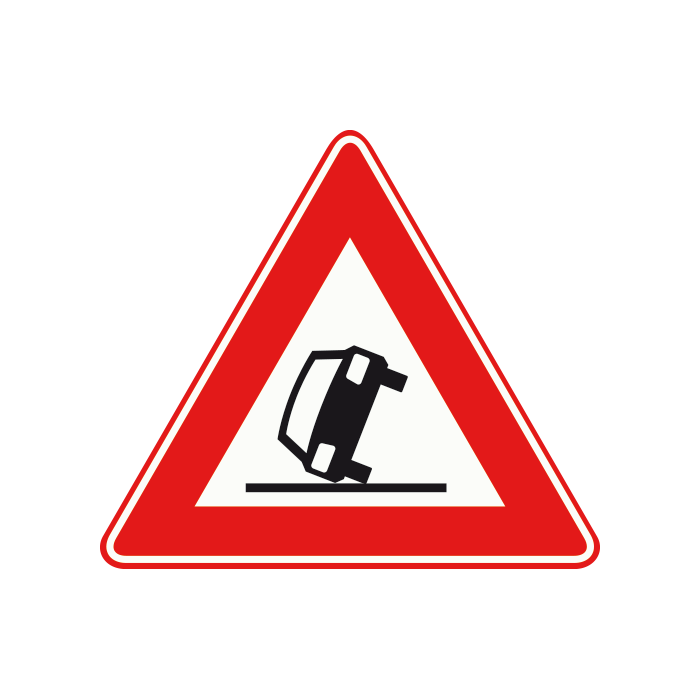
J-34
Accident
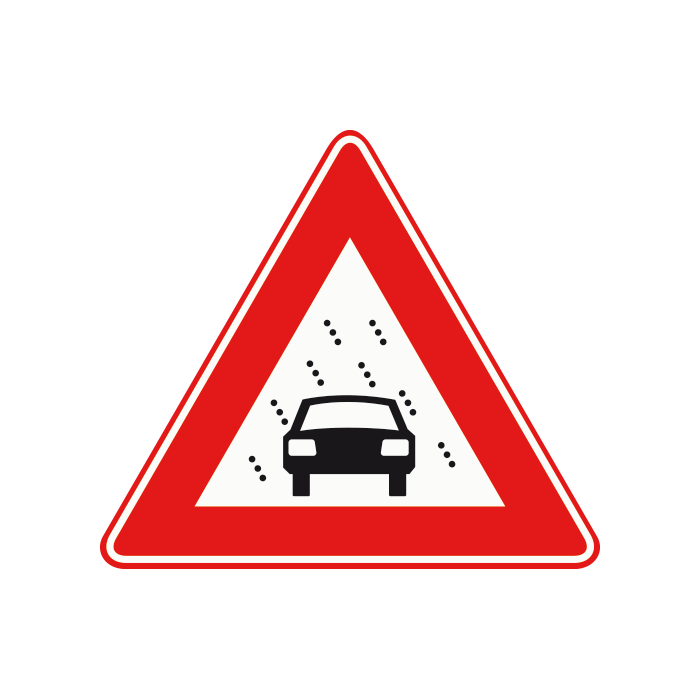
J-35
Reduced visibility due to snow, rain or fog
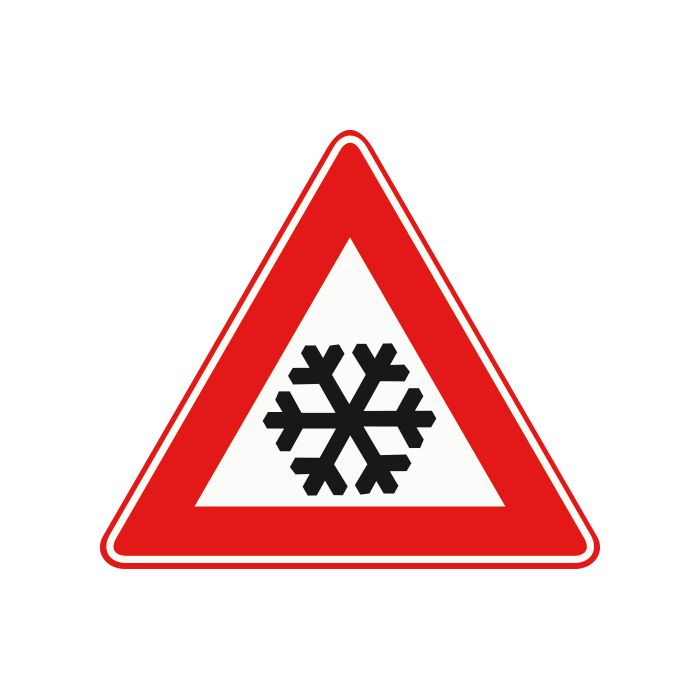
J-36
Sleet or snow
If all these signs do not represent the correct danger, there is another general danger sign. The danger is shown on the supplementary plate:
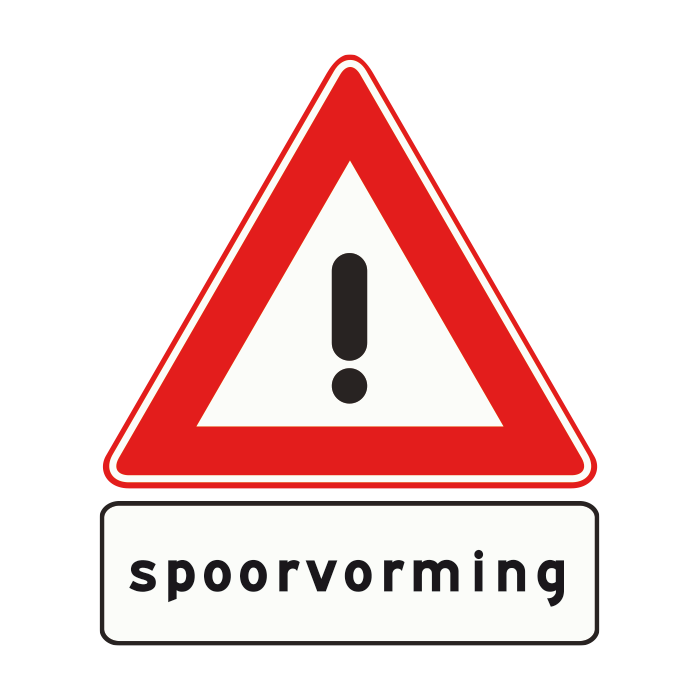
J-37
Danger, rutting
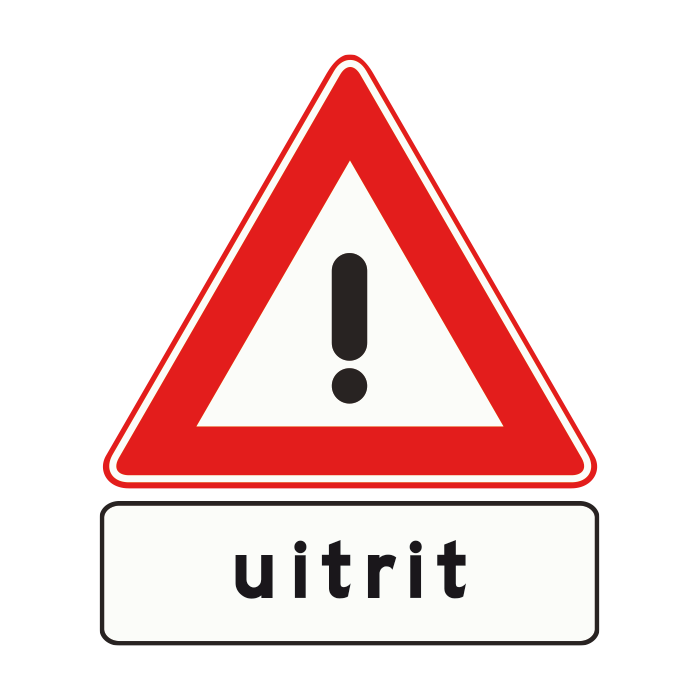
J-37
Danger, exit construction